



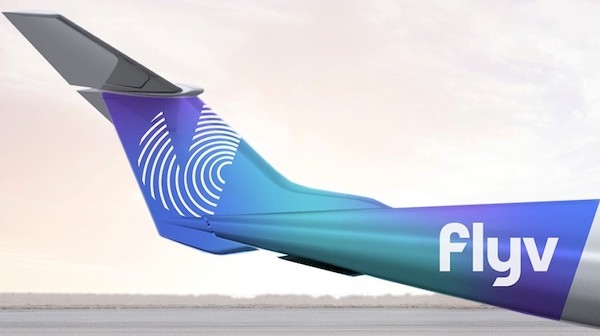
Flyv and ZeroAvia signed an agreement to explore powering flyv’s on-demand, low-cost flight operations using ZeroAvia’s hydrogen-electric engines.Flyv aims to tackle the limitations of conventional travel systems, under strain from escalating demand across many modalities. At the same time, many smaller airfields are under-utilized. As new cleaner technologies reduce the operating costs, an increase in services is feasible.As part of the agreement, ZeroAvia and flyv will explore regional air mobility networks across Europe, exploring the potential economic and passenger benefits of introducing fuel cell-powered flight.
Flyv plans to use AI to match demand and availability to enable flexible booking for passengers. The company will operate small aircraft carrying around 10 passengers and is exploring existing aircraft in service and novel zero-emission designs. ZeroAvia is advancing in its efforts to certify a 600kW (ZA600) hydrogen-electric engine capable of powering 9-19 seat aircraft with fuel cell power only. The company plans entry-in-service of ZA600 in around two years’ time.
Anton Lutz, Co-Founder flyvbird, commented: “As a low-cost, on-demand airline, we are proactively analyzing how to enhance efficiency and operational stability in a rapidly evolving world. With policies across the EU steadily making operating fossil fuel flight more costly and difficult, it is crucial for us to align with partners like ZeroAvia today, to prepare for a truly sustainable future. With ZeroAvia's recent successes in engine development and testing, the feasibility of this innovative approach is clearer than ever.”
James Peck, Chief Customer Officer, ZeroAvia, said: “Flying can be the cleanest, quickest and cheapest way to travel in the near future given the rapid progress of zero-emission propulsion technology. It’s exciting to work with an innovative start-up airline like flyv that is rethinking the status quo to extend the benefits of flying.”
ZeroAvia has been flight testing a prototype of its ZA600 for aboard a Dornier 228 aircraft at its UK base in Kemble, Gloucestershire, since last year. Hydrogen-electric engines use hydrogen in fuel cells to generate electricity, which is then used to power electric motors to turn the aircraft’s propellers. The only emission is water.
FL Technics Indonesia, the first MRO in Indonesia to be appointed as a GE Aerospace avionics support partner, has signed a service support agreement with GE Aerospace covering Boeing 737 and Airbus A3...
flyadeal, the fast-growing low-cost carrier of Saudia Group and one of the GCC's largest budget airlines, has expanded its presence in India with the launch of non-stop flights between Riyadh and...
TRU Simulation + Training Inc. will showcase its Veris Virtual Reality Flight Training Device (FTD) for the Cessna Skyhawk at NBAA-BACE 2026, marking the simulator's first appearance at the indust...
Rising production rates and the launch of new aircraft programs are driving increased demand for manufacturing capacity across the aerospace industry. To support this growth, FACC plans to i...

