The International Air Transport Association (IATA) reported that passenger traffic in Venezuela fell 8.5% in 2014 compared to a year earlier, in sharp contrast to other key economies in the region which reported growth. This decline outpaced the 3.0% GDP contraction in Venezuela during the same period, reflecting the growing impact of draconian government policies on airlines, including restrictions on the repatriation of currency. IATA urged the Venezuelan government to reform the country’s air transport policies to avert a further deterioration of the country’s already limited air connectivity.
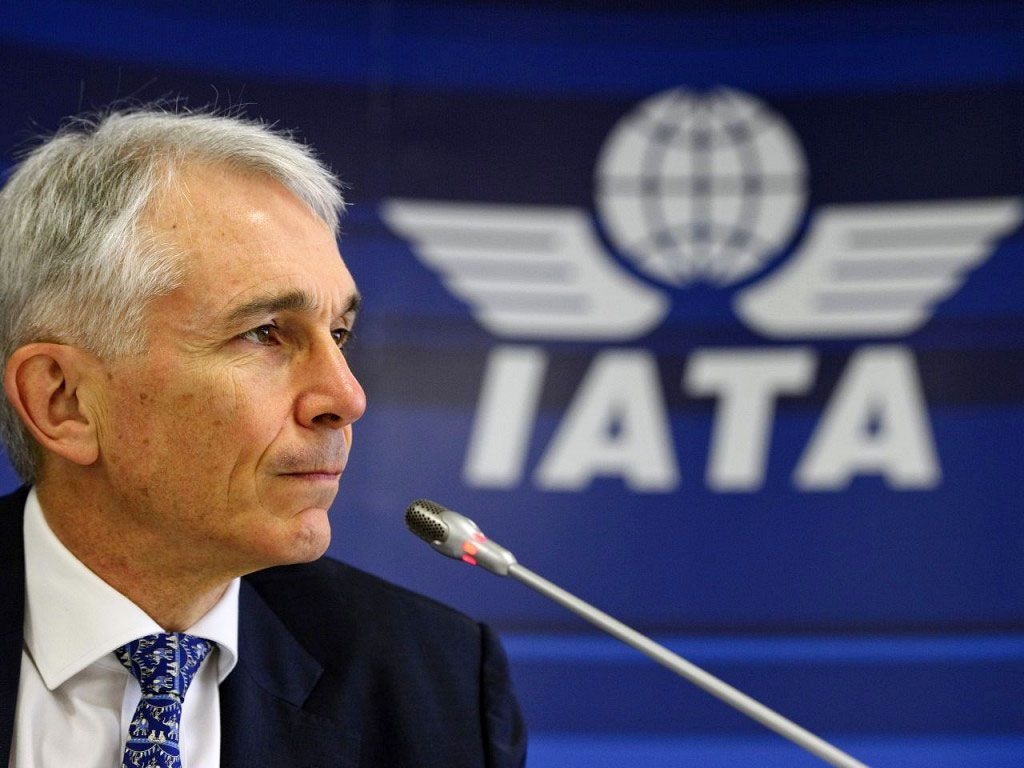
“The Venezuelan government’s policies are crippling the air transport sector and depriving its people of the economic benefits that it could bring. Air travel options in Venezuela are diminishing while the country’s citizens and businesses pay more to travel due to the negative impact of government policies. The 8.5% fall in passenger numbers is significant. By contrast, other key Latin American economies saw passenger growth in the 2 to 12% range. An urgent change of policies is needed,” said Tony Tyler, IATA’s Director General andCEO.
Venezuela is breaching international agreements and the principles of the Chicago Convention in its treatment of airlines. Some examples include:
Currency controls prevent airlines from repatriating their revenue; total blocked funds now stand at US$3.8 billion
Foreign carriers are forced to pay for fuel in US dollars instead of Venezuelan bolivars, going against the non-discriminatory spirit of the Chicago Convention which Venezuela has signed. This is particularly problematic as purchasing fuel is one of the few avenues they have for spending accumulated local currency that cannot be repatriated.
“Venezuela’s economic woes should not be an excuse for inaction. The government needs to take steps to re-orient the operating environment for air carriers to prevent an even deeper deterioration in the country’s connectivity to global markets and international trade. A single and fair bolivar (VEF) exchange rate for the sale of tickets and the payment of airline fees and charges should be established. Venezuela should also commit to a transparent consultation process with the airlines before imposing any new taxes or regulations which affect air carriers. And finally, a realistic and achievable payment schedule should be established to ensure the airlines are paid the funds currently blocked in the country,” said Tyler.
Lufthansa Technik Engine Services (LTES) is significantly expanding its engine maintenance capabilities in Tulsa, Oklahoma, nearly doubling its operational capacity as part of its growth strategy acro...
A professional training device such as the new PC-12 PRO simulator is built on flight data supplied and validated by Pilatus. Drawing on actual flight-test and performance data, it accurately reproduc...
The U.S. Federal Aviation Administration has certified the Boeing 737-10, the newest and largest member of the 737 MAX family, paving the way for Boeing [NYSE: BA] to begin customer deliveri...
Few infrastructure projects have the potential to reshape an island's future quite like the ongoing transformation of Nevis Airport. To gain deeper insight into this ambitious development and the...