



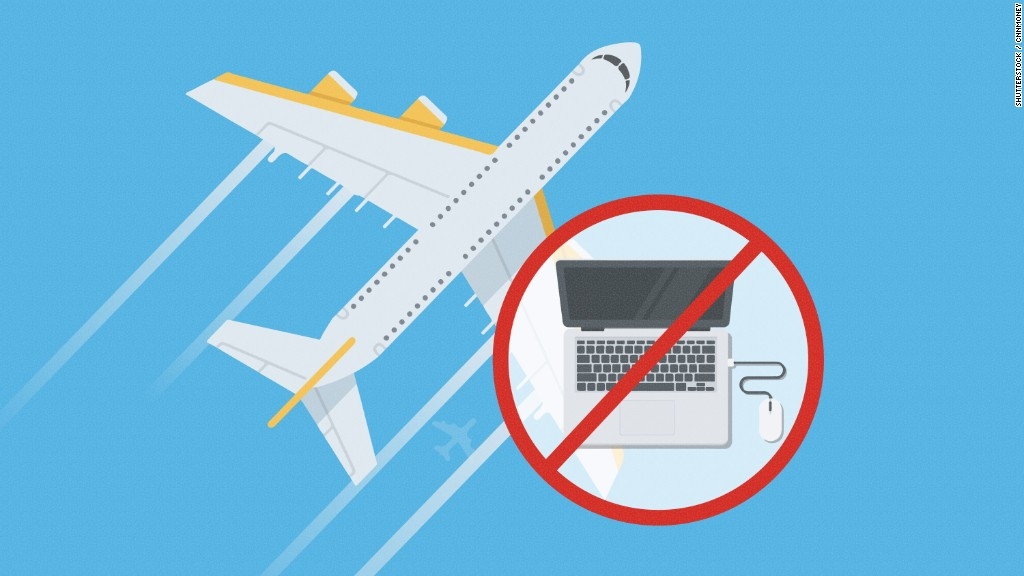
APEX ( Airline Passenger Experience Association ), a four-decade old international airline trade association, called for immediate government-approved security solutions for the airline electronics ban announced this week by the United States and United Kingdom. IATA calculations indicate 393 flights per week impacted by the electronics ban. By APEX load-factor calculations, this translates into more than three million affected airline passengers per year. With airline and government coordination, APEX believes that solutions may be rapidly implemented by airlines to further increase security and allow personal electronics on-board.
"The U.S. and U.K. this week pointed to a problem in airline security by banning electronics on certain flights. When we take away personal electronic devices from passengers, we are bowing to a potential threat rather than providing an acceptable security solution," APEX CEO Joe Leader stated. "Chemical detection machines utilized worldwide can detect illicit items in electronics. Turning on electronics checks functionality and non-functioning electronics could be banned from flights. The expense of hand-searching every carry-on for the personal electronics ban could instead be directed to a long-term solution that serves airline passengers and safety."
APEX believes that without viable solutions provided to airlines, the electronics ban may spread well beyond the intended scope. Since the existing security scope includes individuals with travel privileges to the U.S. and U.K., these same individuals could connect via other airports where on-board personal electronics are not banned.
"Every threat placed against global air carriers has been met with viable solutions," said Leader. "We now globally screen every checked bag, carefully scan all carry-ons, restrict liquids, conduct body-scans, and regularly conduct chemical analysis checks on items. When passengers connect internationally, they are frequently scanned again. Placing items into the cargo hold does not fully address the issue with a passenger-centric solution."
In APEX's global survey released last year, airline passengers frequently bring their personal electronics devices on-board aircraft for use in-flight:
APEX has directly engaged key U.S. and U.K. government officials on a solutions-oriented approach to make aircraft more secure and prevent the spread of the electronics ban. Until an aligned security solution has been developed by the U.S. and U.K. governments, APEX encourages full compliance of the ban by airlines, airports, and passengers.
Affinity Aviation Group (AAG), a leading provider of business aircraft sales, acquisitions and charter solutions, has entered into a strategic collaboration with Austria’s AeronautX, reinforcing...
Private jet catering requires an understanding of the journey as much as the passengers' preferences. SkyDine Jet Catering explores how flight duration, departure schedules, airport location, and...
Bombardier marked the 40th anniversary of its industry-leading Smart Services cost-per-flight-hour programs, which today support more than 1,500 enrolled aircraft and account for over 11 mil...
The U.S. Federal Aviation Administration has certified the Boeing 737-10, the newest and largest member of the 737 MAX family, paving the way for Boeing [NYSE: BA] to begin customer deliveri...

