



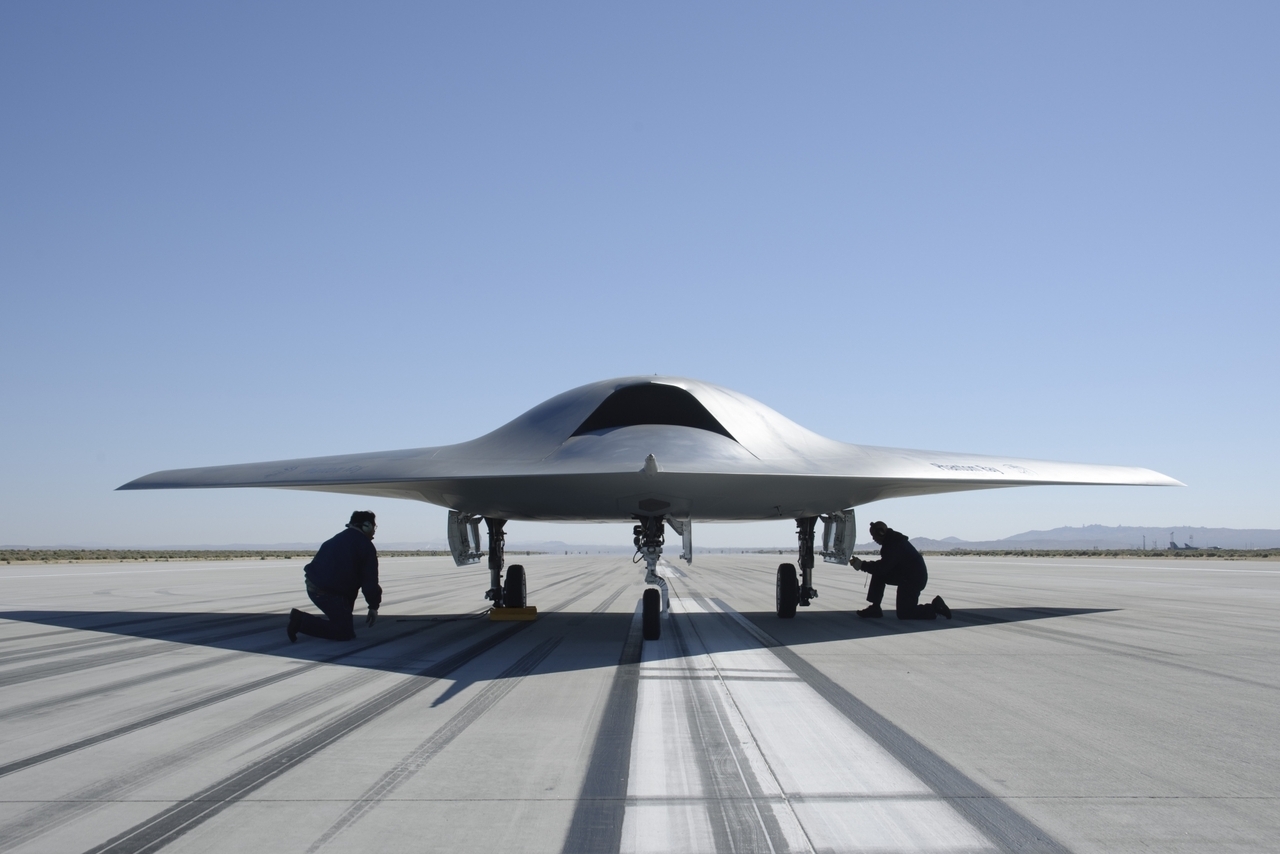
Unmanned aircraft are the future of aviation, or so we are led to believe – not least because of their endurance, and the access they offer to some areas that cannot be reached by manned flight.
It is generally accepted that they will complement the work currently carried out by manned aircraft, as well as facilitate moves into new markets.
But this is easier said than done. Associated privacy and airspace integration issues aside, even once unmanned air vehicles are integrated into military arenas, there are still aspects that need to be worked on for them to match their manned equivalents.
Take the UK military. Aside from the Royal Air Force’s relatively advanced experience, the Royal Navy and British Army are still only just finding their feet. For the navy, the sensor on the Insitu ScanEagle isn’t up to scratch, as it is missing a robust “find” function to narrow a search, but it has been integrated relatively easily into ship-based operations. But the army’s experience with the Thales Watchkeeper is reversed – it has a top-notch sensor, but reaching full operational capability is proving challenging, even after what has been a delayed release to service process.
As one military representative noted last week, “it isn’t all rosy”, but embracing this disruptive technology and learning from it is ultimately going to be more advantageous than turning and running.
Watchkeeper: still challenging
Crown Copyrigh
MTU Maintenance and Garuda Indonesia have entered into a three-year agreement for the maintenance, repair and overhaul of the airline’s GE90-115B engines, which power its fleet of eight Boeing 7...
A professional training device such as the new PC-12 PRO simulator is built on flight data supplied and validated by Pilatus. Drawing on actual flight-test and performance data, it accurately reproduc...
Bombardier announced plans to further expand its presence across the United States, with the creation of 800 jobs supported by ongoing growth initiatives and strategic infrastructure investments. ...
Embraer reported a record backlog of US$35.7 billion in the third quarter of 2026, surpassing its previous all-time high by 3% quarter-over-quarter and increasing 14% compared with the...

