



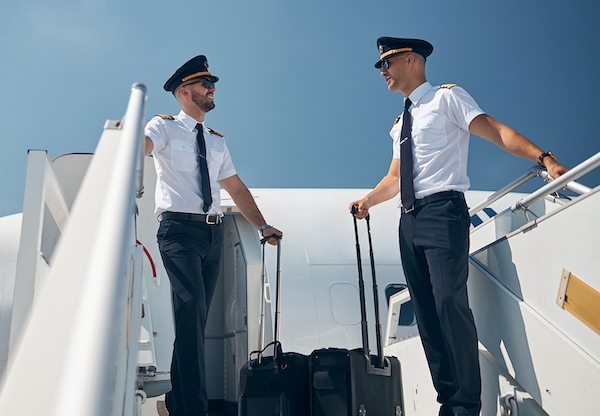
IATA has reported a significant pilot shortage in the aviation industry, with an estimated 27,000 vacancies at the end of 2021. Likewise ICAO predicts that this shortage will continue to grow, with over 350,000 pilots required by 2026 to sustain operations. According to Alison Dsouza, Director of Aerviva Aviation Consultancy, there are many reasons why pilots choose one airline over the other. From reputation to compensation – pilots are in the position to pick a company best fitting their needs. Today she shares tips and suggestions airlines ought to consider when trying to attract the best talent.
Competitive salary and benefits
Compensation is a critical factor for pilots when evaluating a new job opportunity. “Gone are the days when pilots would change their employer based solely on their salary,” Dsouza notes. “However, the compensation and benefits that companies provide still have a significant influence on employment decisions. Offering a competitive salary and benefits package, including health insurance, retirement plans, and travel benefits, can be highly appealing to pilots.”
Opportunities for career growth
Airlines that prioritise career advancement and growth opportunities are more likely to attract and retain top pilot talent. Continuous training, management advancement paths, and the ability to fly various types of aircraft are examples of such opportunities. According to Dsouza, “Airline companies should invest in their employees by providing training programs and demonstrating a commitment to improving their skills and abilities. Encouraging internal growth and promoting from within should be a primary focus for companies. For example, the opportunity of becoming a Captain within the airline is an attractive prospect for First Officers looking to build their career.”
Work-life balance
Companies that encourage work-life balance are more likely to attract and retain employees. “Airlines that provide good quality of life benefits, such as flexible scheduling that suits personal needs of pilots, especially those who have to frequently change operational bases, predictable work hours with rosters published with sufficient time in advance, minor roster changes throughout the month, and sufficient rest periods, are likely to be more appealing to pilots seeking stable and long-term employment,” says Dsouza. By demonstrating a commitment to the well-being of their employees, companies can create a positive work environment that fosters loyalty and productivity.
Modern aircraft and innovation
Having a modern and well-maintained fleet, along with advanced technology and systems, can significantly influence a pilot’s decision to join a particular airline. “While it may not be feasible for every airline to have the latest aircraft, maintaining and ensuring the safety of their fleet, introducing new technologies, and fostering innovation can all help to attract top talent,” advises Dsouza. By investing in cutting-edge equipment and encouraging a culture of innovation, airlines can demonstrate their dedication to providing a safe and high-quality working environment for their pilots.
Reputation and brand recognition
Having a strong reputation and brand recognition is crucial for airlines. “Pilots want to be associated with a reputable and respected company,” emphasises Dsouza. “Therefore, investing in building a strong and well-respected brand can not only enhance an airline's credibility with clients and partners but also make it a more attractive employer for potential employees.”
Outsourcing assistance
According to Dsouza, hiring new pilots requires careful planning, execution, and consideration of various factors, including recruitment criteria and channels. “Finding and attracting top talent in today's dynamic and competitive market can be a challenging task for airlines, which is why outsourcing to recruitment professionals can be in their best interest,” explains Dsouza. By partnering with recruitment experts, aviation businesses can benefit from cost savings, process efficiency, and access to a wider pool of qualified candidates. This approach can help airlines to streamline their recruitment process and find the right candidates to strengthen their workforce.
PAL-V has signed a Memorandum of Understanding with AVION, a specialist in advanced flight training devices, and FLYVE, a developer of FlyDrive ecosystems for professional and government operator...
A new travel industry coalition is urging EU policymakers to adopt a balanced and proportionate approach to biometric travel, ensuring passengers can benefit from secure and seamless journeys while ma...
Rising production rates and the launch of new aircraft programs are driving increased demand for manufacturing capacity across the aerospace industry. To support this growth, FACC plans to i...
In a landmark step towards next-generation regional aircraft manufacturing, Jungheinrich has delivered an advanced automated logistics centre to Deutsche Aircraft at Leipzig/Halle Airport. Supporting...

