



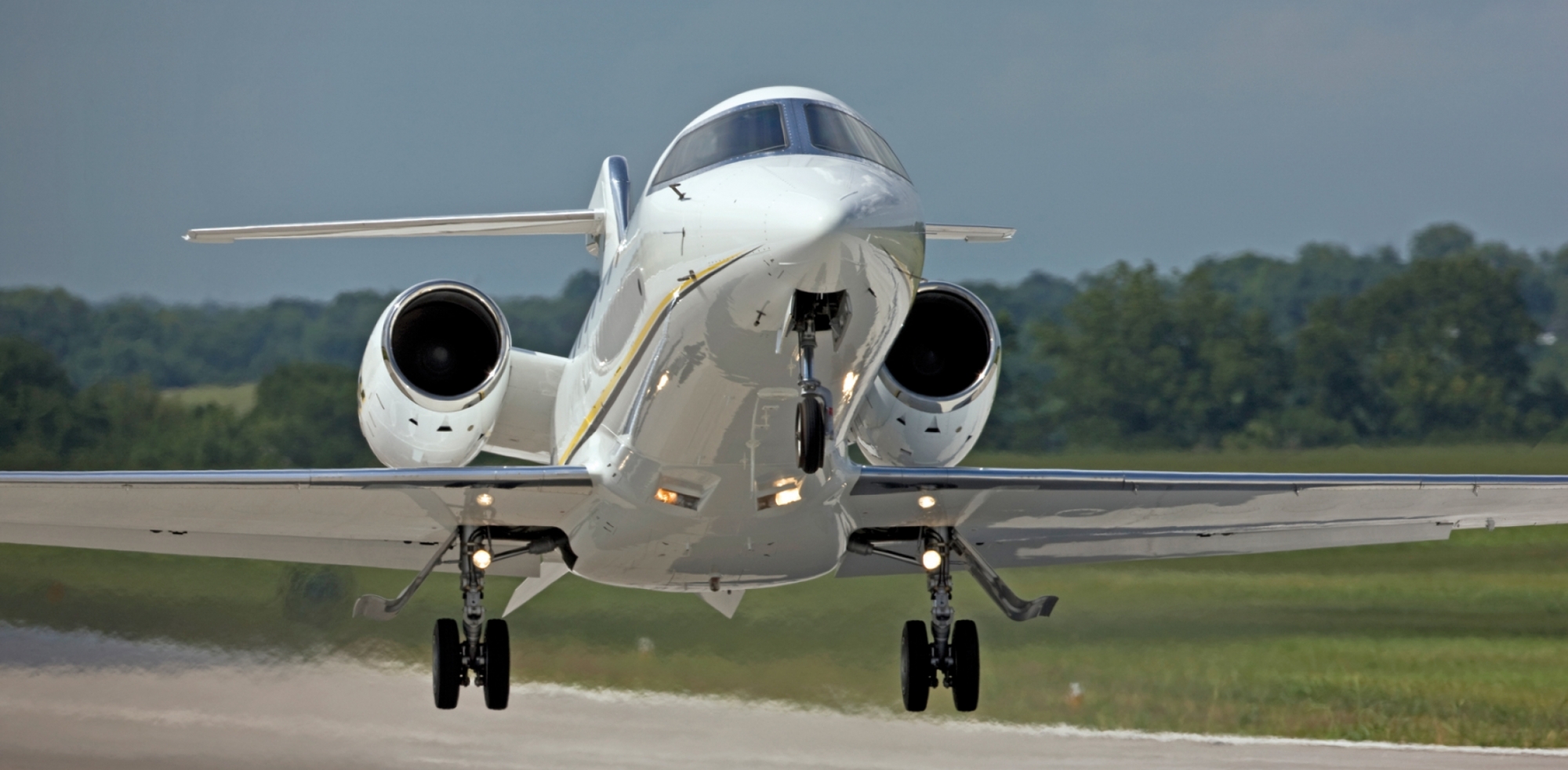
Non-commercial operators of more than 6,000 business jets and turboprop twins based in Europe are largely unprepared for EASA's new Part-NCC (non-commercial complex) rules that will set higher safety standards this summer, attendees were told at a conference run by Aeropodium late last week at London Heathrow Airport. Beginning August 25, these operators will have to comply with a similar safety framework to that for commercial air operating certificate holders, but on the basis of a “declaration” by an “accountable manager” that they are compliant. The move will affect business aircraft registered in an EASA state or those registered in a non-EASAstate by an operator that is established or resides in an EASA state.
Preparation for Part-NCC will include having a safety management system (SMS) in place, as well as compliance monitoring, an operations manual, minimum equipment list, record-keeping and various training requirements. Performance and operating limitations and equipment all have to be covered in detail for all aircraft. It all comes under the provisions of EU Regulation 965/2012, but although it concerns EASA, it is the national authorities that will administer Part-NCC.
Joel Hencks of AeroEx, who chaired the conference, warned, “After [the deadline] you must comply or be grounded.” The rules will affect operators in all 28 EU member states and the four European Free Trade Association states (Iceland, Norway, Switzerland and Liechtenstein). But it will also affect “third country” operators from the rest of the world that fly their aircraft to destinations in Europe. “This affects those of you who have aircraft registered in so-called third countries,” said Hencks.
The definition of “complex motor-powered aircraft” is an mtow greater than 5,700 kg (12,566 pounds), more than 19 seats or a certified minimum crew of at least two, as well as any aircraft equipped with one or more turbojet engines or two or more turboprop engines. Helicopters with nine or more seats are also included. Thus it is wide-ranging and is expected to catch many small operators, said Philippe Renz, a lawyer with Renz & Partners.
Given the broad definition of complex aircraft, Part-NCC could cover “an aero club, a state authority, private owner, a registered owner or a special purpose company,” said Renz. He noted that the risks are huge given the potential aftermath of any accident, “so the question of who should sign the declaration and admit to being in control is difficult.”
Renz pointed to another gray area, where the operator has its “principal place of business.” He said, “This raises lots of complex questions. For example, is it possible to delegate operational control to an organization in Dubai, Russia or Isle of Man?”
Aeropodium is holding another seminar focusing only on this issue on March 14 in London. This will be of interest in particular to operators with “aircraft registered in third countries and used ‘into, within and out of the community by an operator established or residing in the community,’” said Renz. This will be covered by Part-TCO (third-country operators), he said, admitting that “the EU wants to impose its system on third-country aircraft.”
Simon Williams, director of Civil Aviation of the Isle of Man, expressed concerns about duplication of oversight. “It looks like there is an additional inspection that the state of the operator has to do. EASA has perhaps trespassed on ICAO here, saying the state of operator [the relevant competent authority] has to approve something we do anyway. There is potential for a conflict of oversight through duplication, so it’s going to quite challenging come August 25th.”
Hamburg, Germany-based WingX Advance managing director Richard Koe said that the number of aircraft that appeared to be with operators that had their principal place of business in an EASA state numbered around 2,428 jets, of the 21,450 business aircraft worldwide. Of those, around 495 were with non-commercial operators, which he called “the candidate fleet.” There are 1,200 aircraft with N-registrations that are active in the EU, according to his review of various registers. The U.S. and Isle of Man together (N and M registers) account for 12 percent of aircraft.
Also counting turboprops twins, WingX’s records indicate that there are 6,131 aircraft that will be affected by Part-NCC. Koe noted that 75 percent of aircraft in Europe “belong to single-tail operators,” and many of these will fall into the NCC bracket, suggesting that there is a business opportunity here for service providers.

PAL-V has signed a Memorandum of Understanding with AVION, a specialist in advanced flight training devices, and FLYVE, a developer of FlyDrive ecosystems for professional and government operator...
Tecnam has announced a landmark strategic partnership aimed at accelerating the growth of its P2012 aircraft family across the United States. Under the agreement, Finnoff has been appointed the exclus...
Following the successful public flight demonstrations at Expo 2025 Osaka, SkyDrive announced plans to undertake a feasibility study exploring the conversion of Osaka City’s existi...
Dutch flag carrier KLM, part of the Air France-KLM Group, has welcomed its first Airbus A350-900, marking a significant step in the airline’s long-haul fleet modernization strategy. The arrival...

