



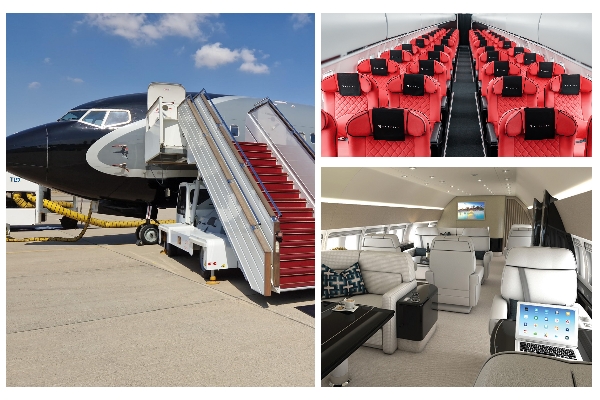
Despite shared values and common irritants, deep cultural nuances persist, shaping priorities and taboos based on ethnicity, religion, or nationality. Kristina Jankauskiene, Head of Customer Experience at KlasJet, an exclusive private and corporate flight charter company emphasizes that acknowledging these differences is crucial for airlines orchestrating international flights. She argues that successfully navigating this complex cultural landscape is key to creating an environment that not only meets but anticipates the diverse needs of passengers. This delicate balance is essential for any airline aiming to excel on a global stage.
Preparation is key
Flights that involve passengers from different cultures require being extremely attentive to details. Sometimes even the smallest peculiarities can become a cause for an unpleasant situation. Of course, every flight is different. Each one of them requires a separate preparation process. It typically starts with thorough research on the cultural norms and expectations of the passengers' countries. Based on that, the services are catered to fit individual preferences, such as preferred cuisine.
How different are we actually?
Despite how global the modern world is, cultural differences are still very much a reality. For example, some nations are louder and chattier, while others are quieter and more reserved. However, while cultural differences are significant, there are values and expectations that are commonplace. However, there are also distinct cultural expectations and preferences that one must take into account. For example, Asians deeply value politeness and attention to detail. Africans are more personable, appreciate comfort, and typically require a lot of attention. Meanwhile, Arabs have a need for privacy, luxury, and adherence to Islamic customs. Overall, religious differences are often prominent during international flights and need to be respected.
Ms. Jankauskiene also forewarns that there are some taboos that the flight crew should be aware of when servicing passengers from exotic countries. Asians don’t like confrontation or overly familiar behavior. Disrespecting hierarchy and others' personal space is also considered rude. Africans emphasize being respectful to elders. Meanwhile, Arabs don’t tolerate ignoring religious practices or inappropriate physical contact.
What makes the flight a success?
Servicing passengers from different cultures can be quite challenging. There are always things you don’t know, some pieces of cultural etiquette that you’re not aware of. There’s also the aspect of the language barrier. As a rule, most of the problems arise from miscommunication. So, how do you know if the passengers enjoyed their flight? Different cultures express their gratitude differently. Asians and Arabs typically do it through polite and formal thanks. Africans are a lot more expressive. Their “thanks” is warm and enthusiastic, and their biggest compliment is asking for the same crew on the next flight.
“We usually deal with flight brokers and not with the passengers themselves. So, naturally, some important information might get lost, causing issues. We try to avoid them by double-checking everything and making sure that everything is taken into consideration. Ensuring that all interactions are culturally appropriate and respectful is key. The success of a flight directly correlates with our crew's ability to communicate in an easy-to-understand way,” she says.
Ms. Jankauskiene, Head of Customer Experience at KlasJet, commented: “This includes understanding the cultural nuances, dietary restrictions, and personal preferences of the passengers. That varies from culture to culture, and to be prepared, we need to think in advance about these details. That’s why all our crews receive cultural differences training, which I conduct myself. Every culture has its own preferences for drinks and sweets. We order unique items that are staples of a particular culture. For instance, when we have Arabic people traveling with us, we always have Arabic coffee and dates onboard. It’s also essential for staff to be briefed on appropriate greetings, gestures, and etiquette, and for the aircraft to be equipped with culturally appropriate amenities and luxury items.
Airline passengers, regardless of their origin, universally appreciate comfort, privacy, quality service, safety, respect, efficiency, luxury, high-end amenities, and personalization. At KlasJet we mainly deal with VIP clients that typically have even higher expectations. To fulfill them, you need a superior sense of empathy. This is when the crew is able to anticipate what passengers may need before they themselves realize.
I would also like to mention Jewish people. They have very particular dietary preferences as they always must have kosher food. You also need to take into consideration that they observe the Sabbath and avoid working from Friday sunset to Saturday night, requiring special pre-prepared meals. They also appreciate appropriate holiday greetings like ‘Shabbat Shalom’ or ‘Chag Sameach.’ Jewish passengers also require privacy and comfort as well as very attentive service.
We usually deal with flight brokers and not with the passengers themselves. So, naturally, some important information might get lost, causing issues. We try to avoid them by double-checking everything and making sure that everything is taken into consideration. Ensuring that all interactions are culturally appropriate and respectful is key. The success of a flight directly correlates with our crew's ability to communicate in an easy-to-understand way. Of course, for us, the biggest compliment is repeat business. If the passengers choose to charter future flights with the same crew, it means that you did your work well. And the best part is that the more time you spend with people from different cultures, the better you understand them and can cater to their needs more successfully."

UH-60 Black Hawk helicopters operated by Helicopter Alliance played a vital role in combating wildfires across Central and Southern Europe during the aerial firefighting season that has now concluded....
In a landmark step towards next-generation regional aircraft manufacturing, Jungheinrich has delivered an advanced automated logistics centre to Deutsche Aircraft at Leipzig/Halle Airport. Supporting...
A new travel industry coalition is urging EU policymakers to adopt a balanced and proportionate approach to biometric travel, ensuring passengers can benefit from secure and seamless journeys while ma...
Dutch flag carrier KLM, part of the Air France-KLM Group, has welcomed its first Airbus A350-900, marking a significant step in the airline’s long-haul fleet modernization strategy. The arrival...

