Flight evaluations take two A330neo test aircraft to locations around the globe
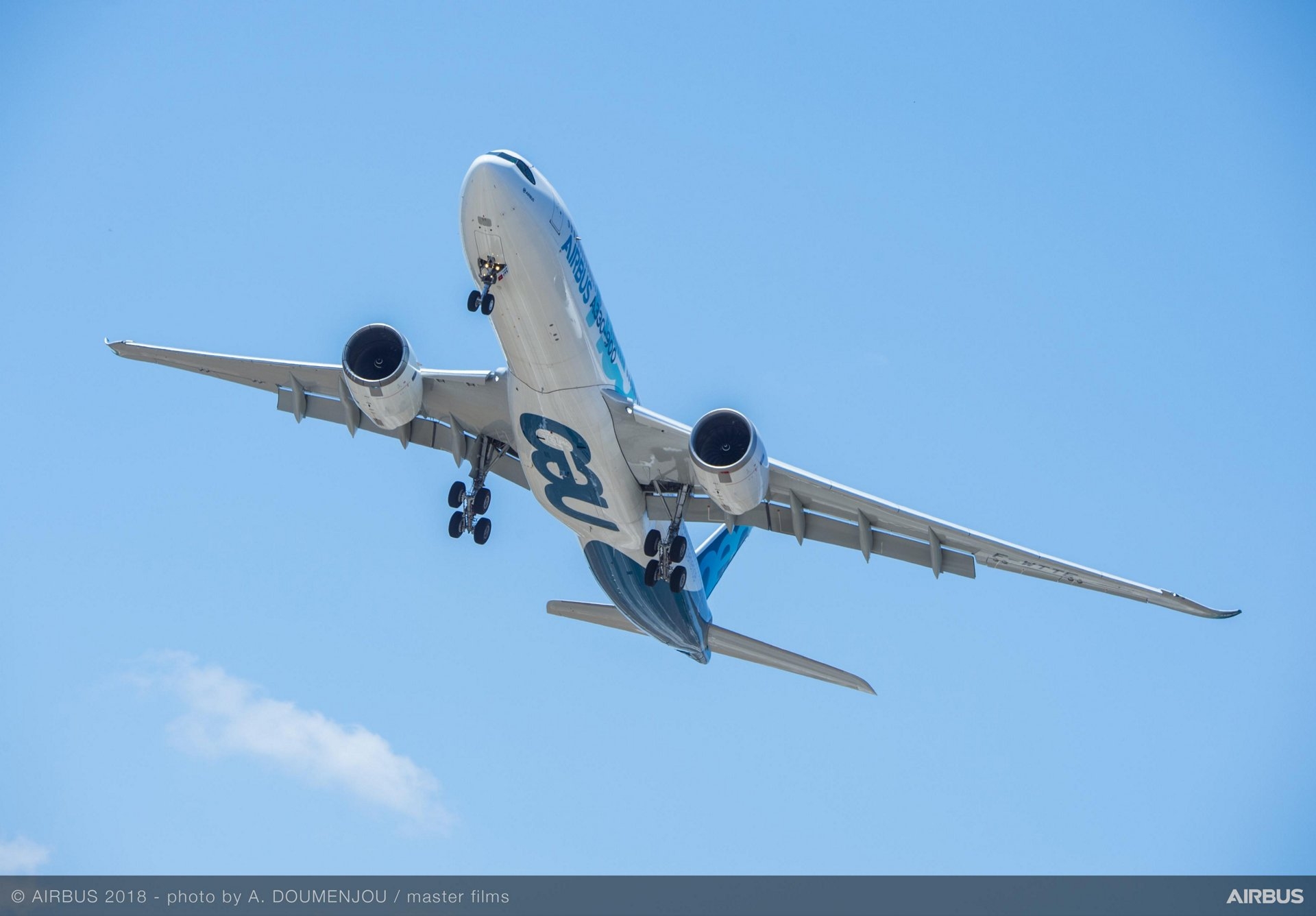
The A330neo is demonstrating its capabilities as the newest member of Airbus’ proven and highly-reliable twin-engine A330 Family, with flight testing continuing ahead of its planned service entry in Summer 2018.
Two test aircraft have logged more than 700 hours aloft in the 200-plus flights performed as of 10 April, according to A330neo aircraft integration and flight testing integrated product team (IPT) leader Jean-Christophe Bonjour.
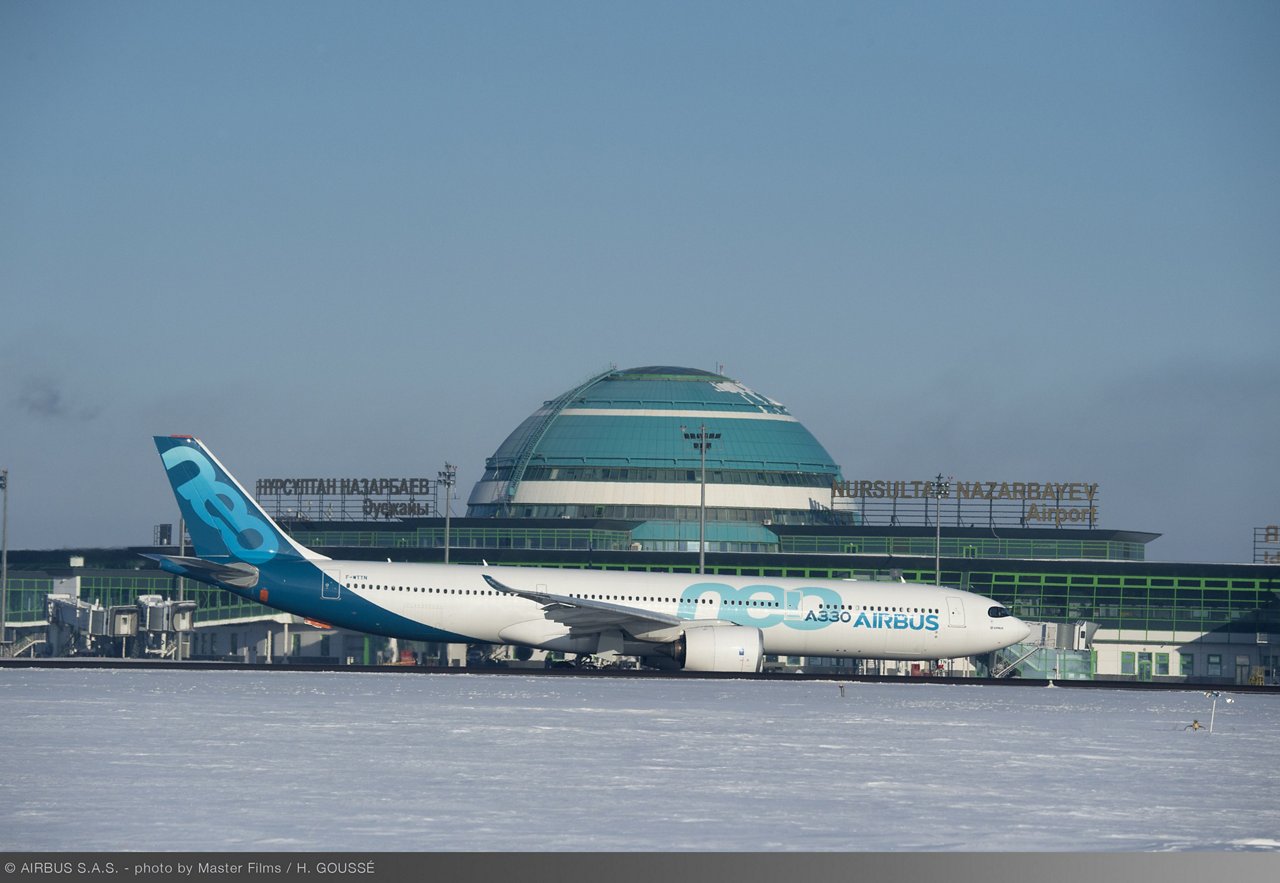
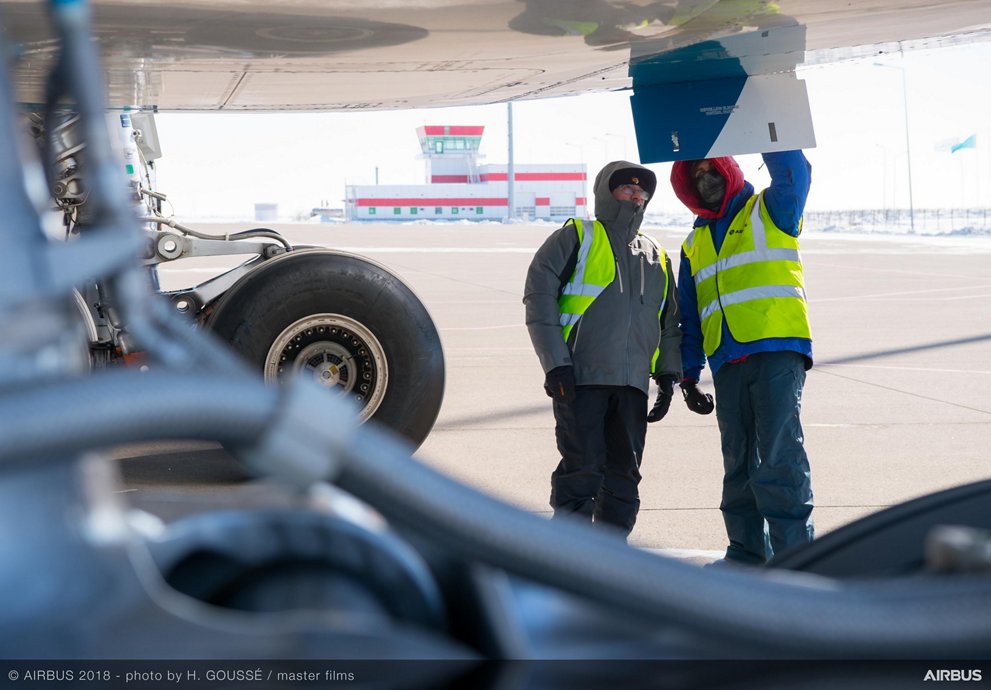
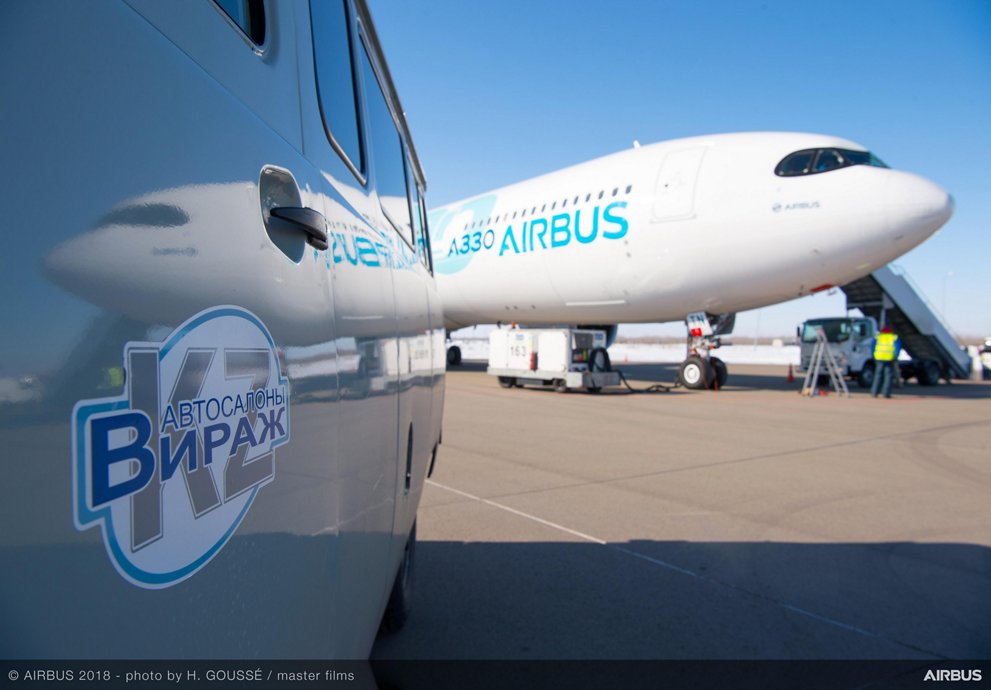
He noted that flight testing has covered the globe, including the cold weather validations in Kazakhstan in temperatures as low as -27° C., natural icing testing in the United States, crosswind landing evaluations in Ireland, a Bolivia-based altitude campaign at 8,000 ft., and recently-completed hot weather trials in Mexico, which had temperatures of up to 37° C.
A330neo to join Airbus’ jetliner family that seats 140-555 passengers
Crawford Hamilton, Head of A330 Marketing, said the A330neo completes Airbus’ new-generation product line, which begins with the single-aisle A320neo Family (A319neo, A320neo and A321neo), increases in size with the A330neo (including the A330-800 and A330-900), followed by the A350 XWB (with the A350-900 and A350-1000) and completed with the A380.
“With all these aircraft, we have a true family covering seating capacities from 140 to over 550 passengers,” Hamilton explained. “Pilots that fly one of these jetliners are equipped to fly them all thanks to Airbus’ unique operational commonality, and aircraft versatility provides the range and flexibility for any type of airline operation.”
The new-generation A330neo, powered by highly-efficient Rolls-Royce Trent 7000 powerplants, has a longer wingspan with new high-efficiency Sharklets and incorporates Airbus’ innovative Airspace cabin that it has in common with the A350 XWB. These elements combined deliver the world’s most efficient, most comfortable mid-size twin-aisle airliner.
Further improving the A330neo capabilities is the launch of an increased-range version, with a nine metric tonne increase to the maximum takeoff weight to 251 metric tonnes. This provides up to 1,500 nautical miles more range when compared to typical A330s in service today, enabling airlines to open new markets, while radically improving aircraft economic efficiency, Hamilton added.
The A330neo’s flight testing included cold weather validations in Kazahkstan, where temperatures were as low as -27° C.
Etihad Airways has signed an interline agreement with Nigerian airline Ibom Air, enabling travellers to connect seamlessly beyond Lagos and Accra to five destinations across Nigeria on a single t...
UH-60 Black Hawk helicopters operated by Helicopter Alliance played a vital role in combating wildfires across Central and Southern Europe during the aerial firefighting season that has now concluded....
Emirates has officially inaugurated services to Helsinki, marking a significant milestone in connectivity between Finland and the United Arab Emirates. The new daily route is the only year-r...
TRU Simulation + Training Inc. will showcase its Veris Virtual Reality Flight Training Device (FTD) for the Cessna Skyhawk at NBAA-BACE 2026, marking the simulator's first appearance at the indust...