



Airlines in region expected to need 3,350 new airplanes over next 20 years
Growing airport hubs, diverse business models, infrastructure investments driving regional demand
Boeing forecasts that airlines in the Middle East will need 3,350 new airplanes over the next 20 years, valued at an estimated $730 billion. Boeing presented its 2017 Current Market Outlook (CMO) for the region during the Dubai Airshow.
"Traffic growth in the Middle East is expected to grow at 5.6 percent annually during the next 20 years," said Randy Tinseth, vice president of Marketing, Boeing Commercial Airplanes. "The fact that 85 percent of the world's population lives within an eight-hour flight of the Arabian Gulf, coupled with robust business models and investment in infrastructure, allows carriers in the Middle East to channel traffic through their hubs and offer one-stop service between many cities."
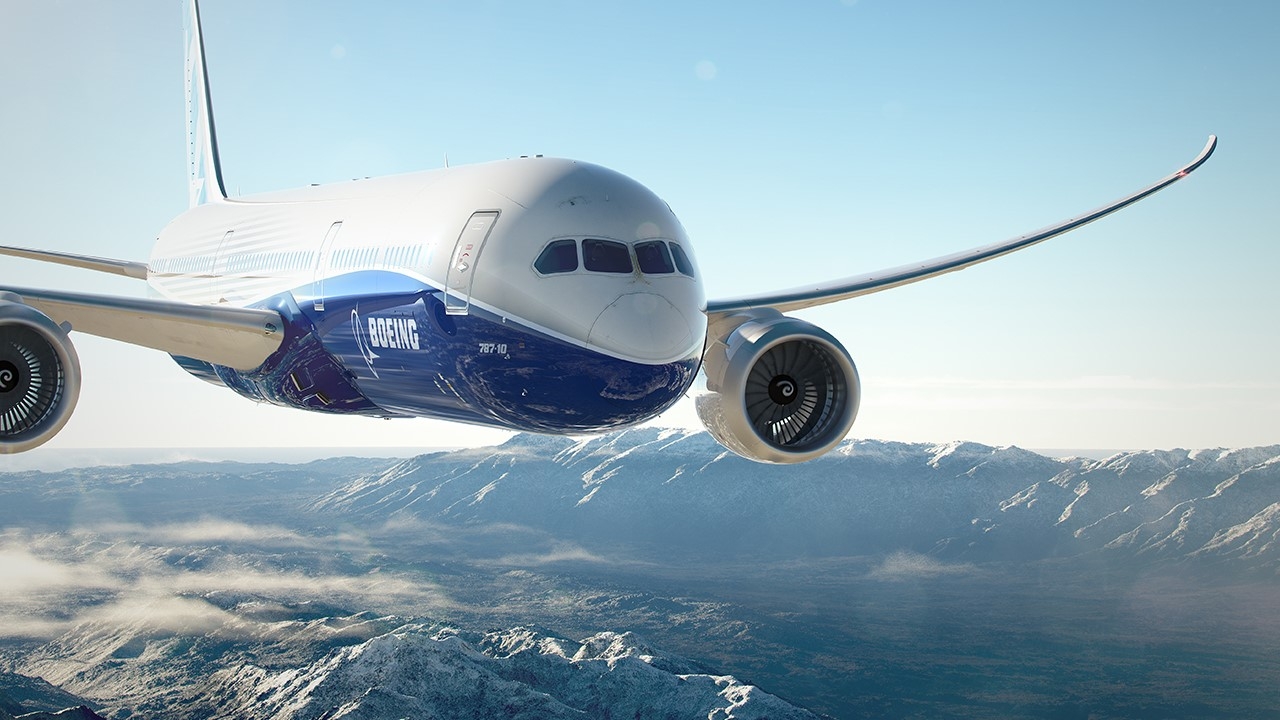
Twin-aisle airplanes are expected to make up nearly 50 percent of the new airplanes in the Middle East, and more than 70 percent of the value at $520 billion. Both percentages are significantly higher than the global average. The strong long-term demand for widebody airplanes was reinforced at the show as Emirates Airline announced a commitment to purchase 40 Boeing 787-10 Dreamliners in a deal valued at $15.1 billion at current list prices.
More than half of the total deliveries in the Middle East will be single-aisle airplanes such as the 737 MAX. Operators in the region will need 1,770 single-aisle airplanes valued at $190 billion, driven by the growth of low-cost carriers.
Boeing's presence and support for the Middle East also includes Global Services, the company's third and newest business unit that is expanding its service capability offerings to better support the region's airlines and aircraft.
Global Services is focused on bringing innovative solutions to market quickly within four capability focus areas: supply chain, engineering, modifications and maintenance, digital aviation and analytics, and training and professional services. Boeing's services expertise, global reach, and strong customer in-country partnerships, position the company to compete and win.
"From training the next generation of pilots to creating tailored solutions and everything in between, the combined commercial and defense services market is estimated at $2.6 trillion over the next 10 years and includes strong opportunities in the Middle East," said Tinseth.
Around the world, Boeing has forecasted long-term demand for 41,030 new airplanes, valued at $6.1 trillion. These new airplanes will replace older, less efficient airplanes, benefiting airlines and passengers and stimulating growth in emerging markets and innovation in airline business models.
TRU Simulation + Training Inc. will showcase its Veris Virtual Reality Flight Training Device (FTD) for the Cessna Skyhawk at NBAA-BACE 2026, marking the simulator's first appearance at the indust...
Tecnam has announced a landmark strategic partnership aimed at accelerating the growth of its P2012 aircraft family across the United States. Under the agreement, Finnoff has been appointed the exclus...
The International Aircraft Dealers Association (IADA) has released its 2026-2027 Current Market Portrait & Forecast, offering an in-depth analysis of the global preowned business av...
A new travel industry coalition is urging EU policymakers to adopt a balanced and proportionate approach to biometric travel, ensuring passengers can benefit from secure and seamless journeys while ma...

