



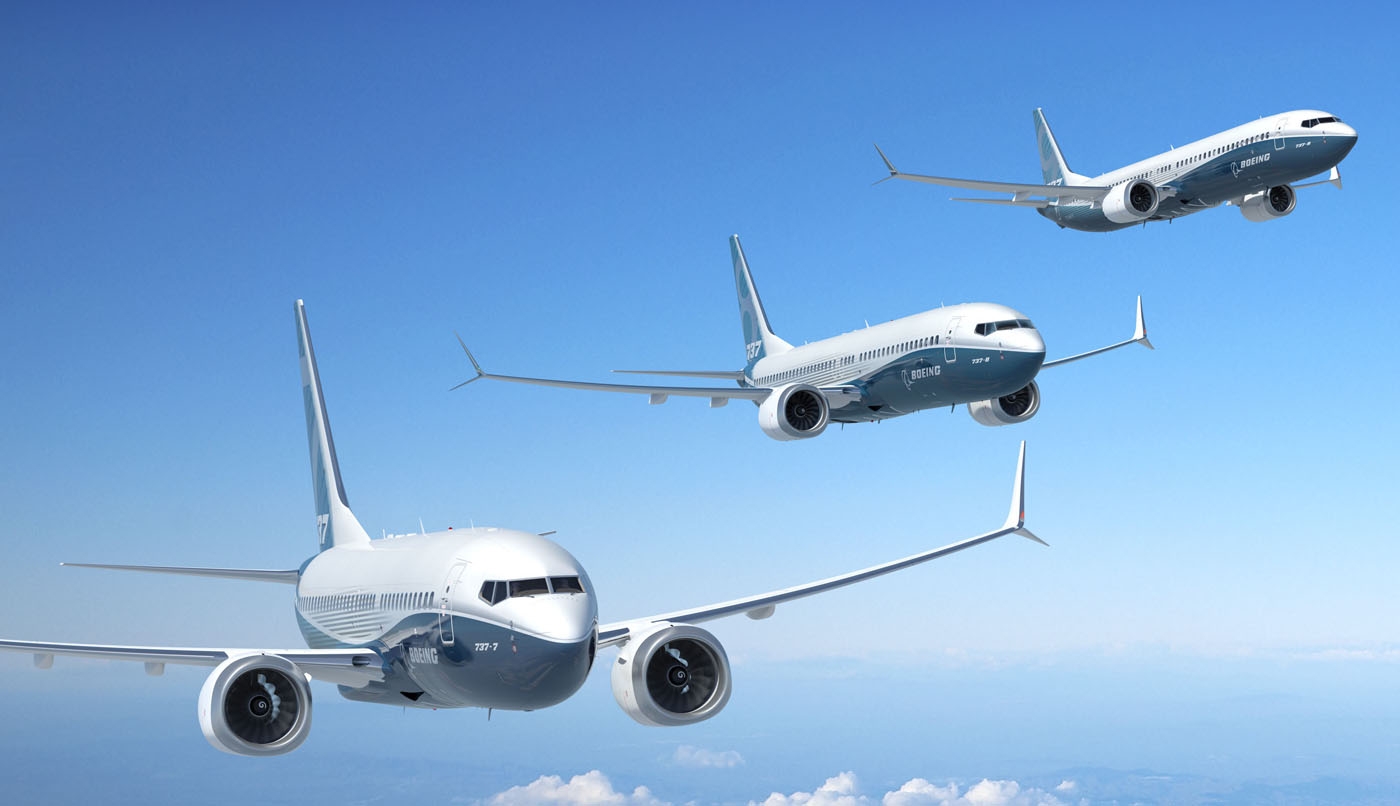
Southeast Asia will need 3,750 new aircraft worth USD$550 billion in 20 years from 2015, a senior Boeing executive told a press conference ahead of the Singapore Airshow.
Of this number, 76 percent will be for single-aisle aircraft such as the Boeing 737 and Airbus A320, said Dinesh Keskar, senior vice-president for Asia Pacific and India sales at Boeing.
This will be largely driven by low-cost carriers, and the growth of markets such as Indonesia, Myanmar and Vietnam, he added.
Southeast Asian passenger traffic has grown by more than 9 percent since 2010, with intra-Southeast Asian traffic projected to increase by 7.7 percent over the next 20 years, Keskar said.
The Asia Pacific region as a whole will absorb 14,550 aircraft, more than a third of the 39,050 aircraft that are required globally, according to Boeing's forecast.
IATA director general Tony Tyler said on Sunday that record plane orders placed by ambitious Southeast Asian airlines could be at risk in an environment of intense competition, low profitability and turmoil in financial markets.
Fast growing low-cost carriers such as Indonesia's Lion Air, Malaysia's AirAsia and India's IndiGo have ordered hundreds of Airbus and Boeing aircraft over the last decade in a bid to secure market share.
Lion is the only Boeing customer of those three, and Keskar said that the airline had been taking all of its ordered 737s. Boeing, he added, was in a “good spot†and had not had requests for deferrals from any of its other customers.
“Most of our customers have been ordering 25, 30, 40 aircraft at a time and then replacing them every three to four years,†said Keskar, who added that the steady growth plans help these airlines.
Air Baltic Corporation AS , Latvia’s national airline and the leading carrier in the Baltic States, announced that airBaltic and its subsidiaries participating in the voluntary Ch...
Embraer reported a record backlog of US$35.7 billion in the third quarter of 2026, surpassing its previous all-time high by 3% quarter-over-quarter and increasing 14% compared with the...
Archer Aviation has unveiled plans to develop three air taxi networks across Austin, Dallas-Fort Worth and Houston, aiming to improve connectivity between major airports, business centers and key regi...
Private jet catering requires an understanding of the journey as much as the passengers' preferences. SkyDine Jet Catering explores how flight duration, departure schedules, airport location, and...

