



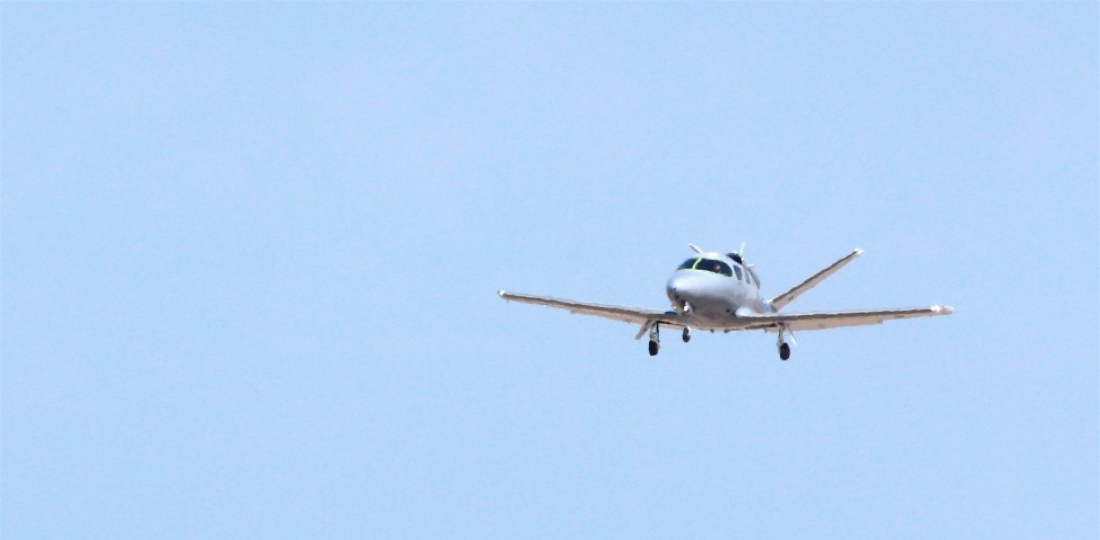
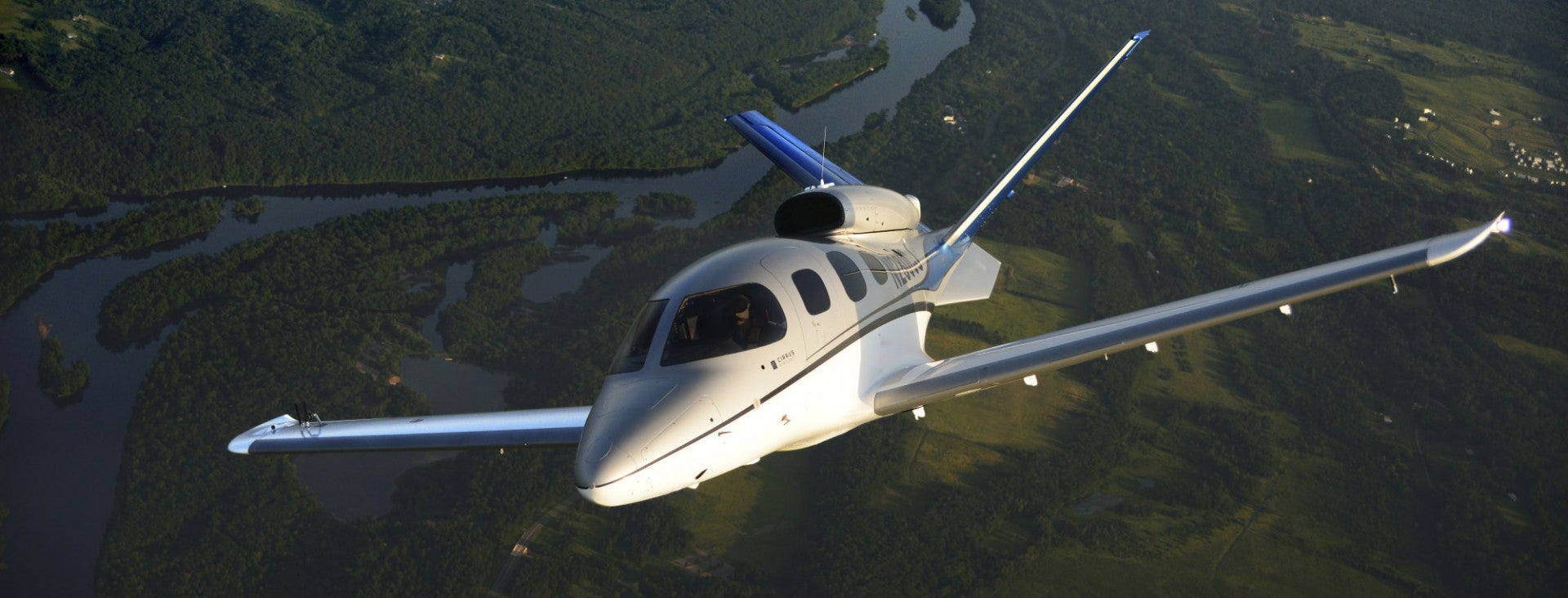
P1, the first production version of the Cirrus Vision SF50 single-engine jet, took off from Duluth (Minn.) International Airport on Thursday, flown by test pilot Terry LeSage. “Pilot feedback on P1 is simple,” he said. “The aircraft handled just great. It was not noticeably different from C2 [the third conforming test article], with handling qualities matching those of its predecessors and all systems working as intended.”
After about 10 days of flying, P1 will be painted and then will fly for another week before undergoing final interior and exterior detailing. FAA certification of the all-composite Vision Jet is planned by the end of next month.
P1’s primary mission will be proving the Vision type-rating training program for approval by the FAA’s Flight Standardization Board. Rob Haig, executive director of flight operations, will oversee development of the training program and Vision instructor pilot training.
The Cirrus backlog is up to more than 600 aircraft and the company is preparing for high-volume production. Major structural components are built at the company’s composites facility in Grand Forks, N.D. then shipped to Duluth for final assembly. P1 is also being used to help prove each step of the design and build process. This includes trimming, drilling, bonding, hardware and systems installation, attaching the wing and stabilizer, engine installation, mounting flight controls and accessories, then painting with the first coat of primer.
According to Cirrus, “The pace of completing this first production aircraft has been deliberate and steady by design. It is built in tandem with the certification test process and must be proved at each station. The structural components led the way, enduring a long and rigorous testing process before P1’s structures could be built. Next, the airplane moved into testing of the lamination and bonding processes, then systems testing with subsequent installation and addition of components within that area.”

A new travel industry coalition is urging EU policymakers to adopt a balanced and proportionate approach to biometric travel, ensuring passengers can benefit from secure and seamless journeys while ma...
Tecnam introduces the P2008JC NG to the United States market, bringing flight schools a certified, next-generation training aircraft designed to dramatically reduce operating costs while maximizing fl...
Tecnam has announced a landmark strategic partnership aimed at accelerating the growth of its P2012 aircraft family across the United States. Under the agreement, Finnoff has been appointed the exclus...
Emirates has officially inaugurated services to Helsinki, marking a significant milestone in connectivity between Finland and the United Arab Emirates. The new daily route is the only year-r...

