



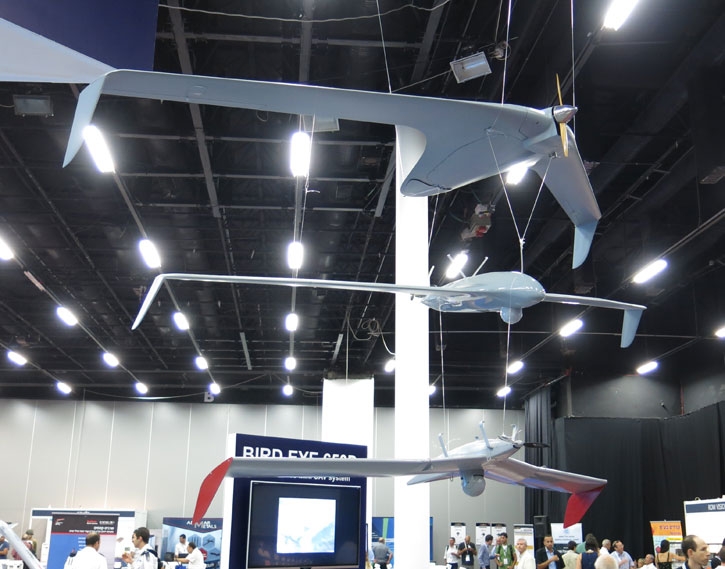
Washington has vetoed any further sales of Israeli-made unmanned air vehicles to Russia.
For several months Russian companies have contacted Israeli manufacturers in an attempt to reach joint venture agreements. However after checking with the Israeli defence ministry about the potential of formalising any such pact, it became obvious the US administration would be very strongly opposed, and would veto any export license. Further discussions have been halted as a result.
Moscow has previously purchased 10 Searcher 2 and 30 BirdEye-450 UAVs from Israel Aerospace Industries, with these having been partially assembled in a Russian plant. Some of the air vehicles – mainly of the former model, dubbed "Forpost" in national service – have been used by Russian forces in Syria.
Emirates has officially inaugurated services to Helsinki, marking a significant milestone in connectivity between Finland and the United Arab Emirates. The new daily route is the only year-r...
PAL-V has signed a Memorandum of Understanding with AVION, a specialist in advanced flight training devices, and FLYVE, a developer of FlyDrive ecosystems for professional and government operator...
A new travel industry coalition is urging EU policymakers to adopt a balanced and proportionate approach to biometric travel, ensuring passengers can benefit from secure and seamless journeys while ma...
For the fourth consecutive year, Corsair is reaffirming its commitment to the fight against breast cancer by partnering with the association "Les Hôtesses de l’Air cont...

