



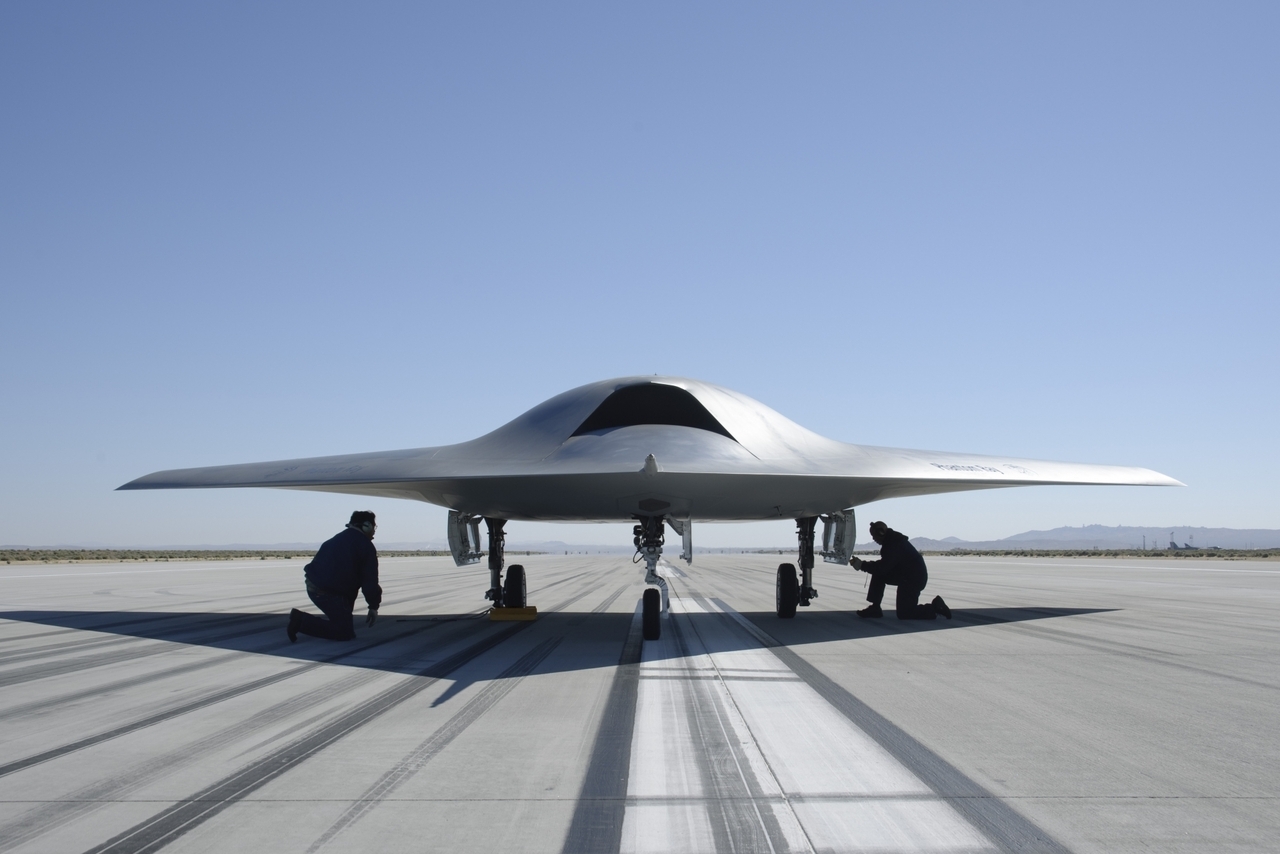
Unmanned aircraft are the future of aviation, or so we are led to believe – not least because of their endurance, and the access they offer to some areas that cannot be reached by manned flight.
It is generally accepted that they will complement the work currently carried out by manned aircraft, as well as facilitate moves into new markets.
But this is easier said than done. Associated privacy and airspace integration issues aside, even once unmanned air vehicles are integrated into military arenas, there are still aspects that need to be worked on for them to match their manned equivalents.
Take the UK military. Aside from the Royal Air Force’s relatively advanced experience, the Royal Navy and British Army are still only just finding their feet. For the navy, the sensor on the Insitu ScanEagle isn’t up to scratch, as it is missing a robust “find” function to narrow a search, but it has been integrated relatively easily into ship-based operations. But the army’s experience with the Thales Watchkeeper is reversed – it has a top-notch sensor, but reaching full operational capability is proving challenging, even after what has been a delayed release to service process.
As one military representative noted last week, “it isn’t all rosy”, but embracing this disruptive technology and learning from it is ultimately going to be more advantageous than turning and running.
Watchkeeper: still challenging
Crown Copyrigh
Viasat has significantly expanded the capacity of its JetXP in-flight connectivity service across the United States, delivering up to five times more bandwidth for business aviation customers equipped...
AMAC Aerospace Group continues to experience strong business momentum, marked by new certifications, contract wins and rising demand across its maintenance, completion and aircraft modification activi...
Dassault will introduce the fourth-generation EASy IV flight deck on newly built Falcon 2000LXS aircraft, while also making the upgrade available as a retrofit across the entire Falcon 2000 EASy fleet...
Cirrus Aircraft is celebrating the 10th anniversary of its Collier Trophy-winning Vision Jet at NBAA-BACE 2026, marking a decade of innovation that has continuously advanced the world&r...

