



It was after 11 p.m. on March 30, 2013, when the Alaska Department of Public Safety helicopter lifted off near Talkeetna, north of Anchorage, after rescuing a stranded snowmobiler. Freezing rain was changing to heavier snow, and visibility was decreasing. Within minutes the chopper had crashed, killing its pilot, a state trooper, and the person they’d been sent to rescue.
Usually, investigators from the National Transportation Safety Board have to guess what went wrong in such situations. But when they examined the chopper’s charred wreckage, they found a treasure in the ashes: a cockpit video recorder. The footage, from a camera mounted on the ceiling behind pilot Mel Nading, ruled out mechanical problems or ice as factors in the crash. Rather, investigators could see that Nading was confused. He allowed the helicopter to slow and start rocking back and forth, then reached out and reset the device that should show whether the craft is flying level—a decision that sealed his fate, making it “very unlikely that he would regain control of the helicopter,” the NTSB said in its report. In the dark, without an accurate reading, Nading had no way of knowing which way was up. “It really gave us the insight that this pilot was spatially disoriented,” says John DeLisi, the NTSB’s chief aviation investigator. “Without that video, we would have been looking at a pile of burned-up wreckage, trying to figure out what caused the erratic flight path that led to this crash.”
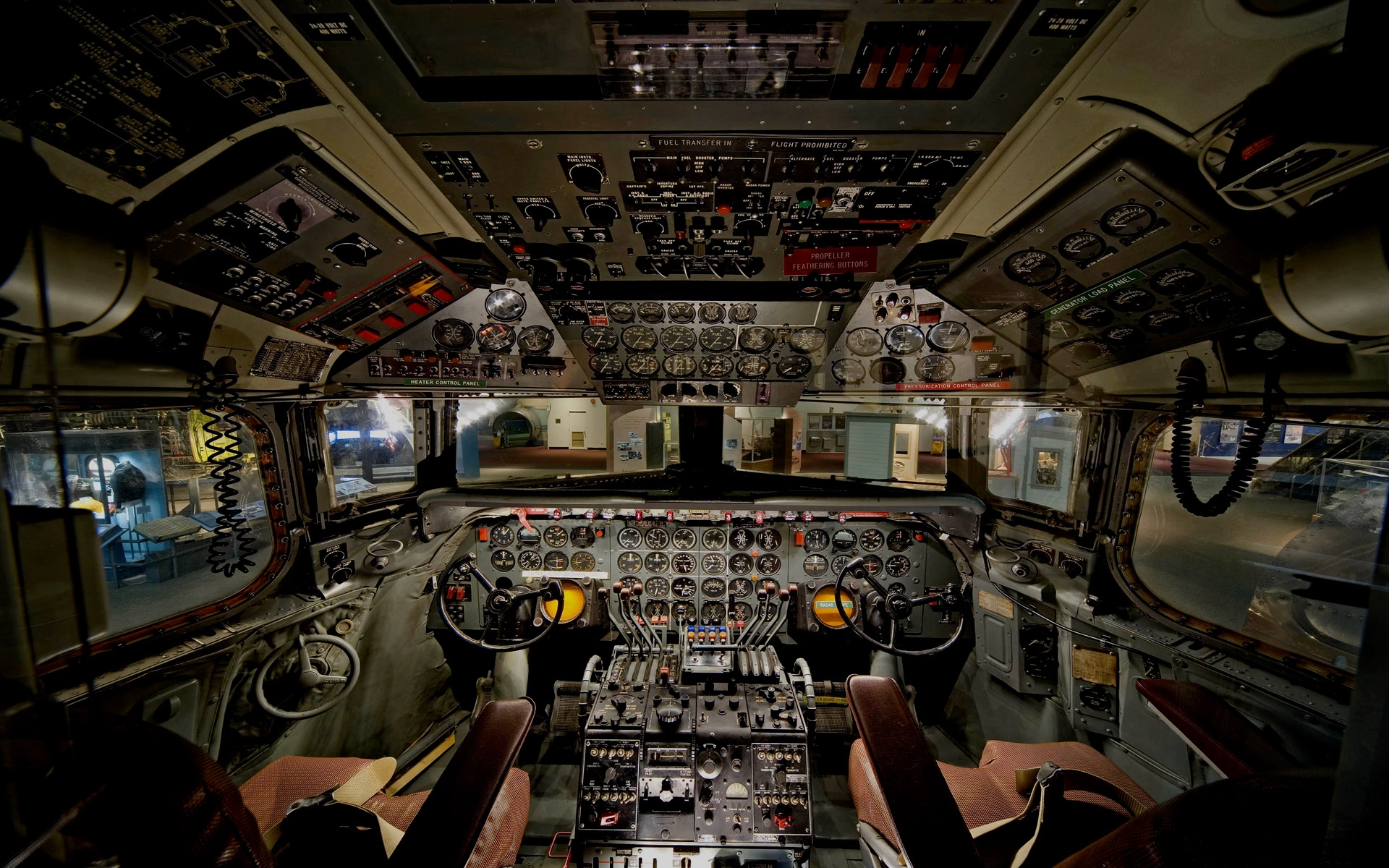
Since 2000, the NTSB has recommended that the Federal Aviation Administration require cockpit cameras. The Air Line Pilots Association, North America’s largest flight crew union, has opposed the change, arguing that video can be misleading, especially where it’s not clear whether a pilot is fighting a malfunction or causing a plane to lose control. The money spent on cameras would be better invested in training and other safety measures, the union says. “Cameras in the cockpit will not prevent a single accident,” ALPA President Tim Canoll said in a statement.
The problem for the union is that video equipment has become so cheap that cameras are increasingly common in aircraft. That’s made their benefit more than theoretical. After the Talkeetna accident, Alaska’s public safety agency began requiring pilots to receive instrument training every 90 days so they’d be able to navigate in whiteout conditions. (Nading hadn’t had such training since 2003.) It also tightened flight restrictions in bad weather. “Video recorders in the cockpit can provide information that would not otherwise be available,” says NTSB Chairman Christopher Hart. “Simply put, more information is better. And video, by its nature, has proven to be a rich source of it.”
In 2014 the agency examined 60 cameras in aviation cases. Most involved small, privately owned planes, or were from surveillance cameras outside the plane. They included the crash of Virgin Galactic’s passenger spaceship, which broke up during a test flight in October 2014 over the Mojave Desert. Recordings showed one of the two pilots, Michael Alsbury, activating a critical switch too early, triggering the midair breakup. Alsbury was killed. The other pilot survived after parachuting to the ground.
Companies such as Appareo Systems, Outerlink Global Solutions, and L-3 Communications Holdings sell cockpit video devices, some of them for less than $10,000. Airbus Helicopters, a division of Airbus Group, installs Appareo’s Vision 1000 video recorder standard on several models as a safety enhancement, according to spokesman Bob Cox. Cockpit camera units are generally capable of storing flight data as well as video, giving a complete picture of how the aircraft was being flown. On larger planes with sophisticated systems, the video can be stored with flight data and voice recordings inside the black box, which can withstand sudden impact and jet fuel fires. According to the NTSB, smaller units such as the Appareo Vision 1000, which was on the Alaska Department of Public Safety helicopter, often survive despite being less well protected.
An FAA spokesman referred to letters the agency has sent the NTSB saying that it has no plans to revise its policy on cockpit cameras. At least one U.S. lawmaker, Florida Republican Representative John Mica, says he’ll push for a cockpit video requirement next year, when Congress is scheduled to pass legislation reauthorizing the aviation agency. The NTSB’s findings in Alaska and elsewhere, he says, “certainly give us additional support.”
In business aviation, exceptional service is defined by attention to detail, and few amenities reflect that more clearly than premium catering. At the intersection of hospitality and private aviation,...
Turkish Airlines has taken another major step in its fleet expansion strategy with the signing of a Memorandum of Understanding with CFM International for more than 300 LEAP-1B engines and a long-term...
Gulfstream Aerospace has enhanced the capabilities of its Customer Support Performance Analytics program, further strengthening its ability to transform aircraft data into actionable insight...
BPE Air, the aviation company founded and wholly owned by entrepreneur Aldrew Crowe, reported approximately US$90 million in revenue in 2025, marking a major milestone in the growth of its integrated...

