




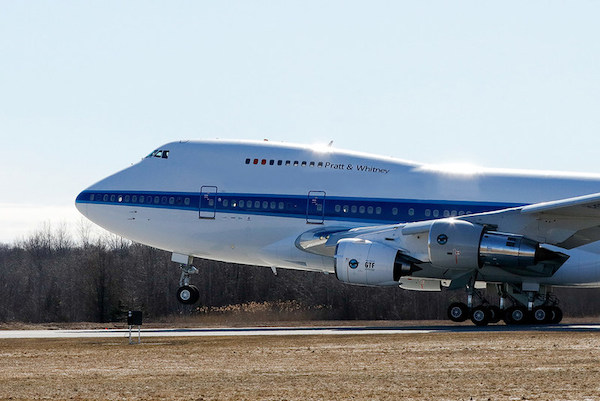
Pratt & Whitney GTF Advantage engine for Airbus A320neo family aircraft further extends the economic and environmental benefits of the existing GTF engine. The GTF Advantage configuration reduces fuel consumption by an additional 1 percent, extending the engine's lead as the most efficient powerplant for the A320neo family. In total, the engine decreases fuel consumption and CO2 emissions by 17 percent compared to prior-generation engines. Additionally, the GTF Advantage engine will be compatible with 100 percent sustainable aviation fuel (SAF) at entry into service, helping the industry meet its commitment to net zero emissions by 2050.
This new configuration delivers higher thrust, both at sea level and for "hot and high" airports. With up to 34,000 pounds of takeoff thrust per engine, the Advantage configuration makes GTF the most powerful engine for the A320neo family. The higher thrust rating enables increased range and payload, unlocking more destinations for airlines.
The current generation of Pratt & Whitney GTF engines for the Airbus A320neo family reduces fuel consumption and carbon emissions by 16 percent compared to prior-generation engines and are certified to operate on 50 percent SAF.
"GTF engines met or exceeded fuel, emissions and noise commitments from day one and have since achieved a strong record of dependability and low operating cost," said Carroll Lane, president of Commercial Engines at Pratt & Whitney. "GTF Advantage provides even more value to our customers, both in revenue potential and environmental impact, with lower fuel burn and new route opportunities."
The GTF Advantage configuration includes technology enhancements throughout the engine core, for which Pratt & Whitney has already completed more than a year of ground and flight testing. The engine will be available for A320neo family aircraft starting in January 2024. For a seamless introduction for operators, this new configuration will be interchangeable with already delivered engines and will become the new production standard for A320neo family aircraft.
"We always said our geared fan architecture has a long runway for growth and future development, and the GTF Advantage demonstrates this," said Tom Pelland, senior vice president of GTF Engines at Pratt & Whitney. "Our gear system, and the overall engine architecture it enables, are foundational to unlock the benefits of advanced aerodynamics, materials and systems. We are committed to continuing to invest in these technologies for the next generation of commercial aircraft."
Since entering service in early 2016, GTF engines have saved operators more than 600 million gallons (more than two billion liters) of fuel and avoided more than six million metric tonnes of carbon emissions. With more than 1,100 aircraft, 58 airlines and three aircraft families – Airbus A320neo, Airbus A220 and Embraer E-Jets E2 – GTF engines have also reduced noise footprint by 75 percent and regulated emissions by 50 percent to the CAEP/6 regulatory standard. To learn more about Pratt & Whitney's strategy for powering sustainable aviation, click here.
Textron Aviation has marked a key milestone in the development of the Cessna Citation CJ4 Gen3 with the rollout of the program’s first production aircraft. The achievement brings the next-g...
BPE Air, the aviation company founded and wholly owned by entrepreneur Aldrew Crowe, reported approximately US$90 million in revenue in 2025, marking a major milestone in the growth of its integrated...
Few infrastructure projects have the potential to reshape an island's future quite like the ongoing transformation of Nevis Airport. To gain deeper insight into this ambitious development and the...
In business aviation, exceptional service is defined by attention to detail, and few amenities reflect that more clearly than premium catering. At the intersection of hospitality and private aviation,...

