



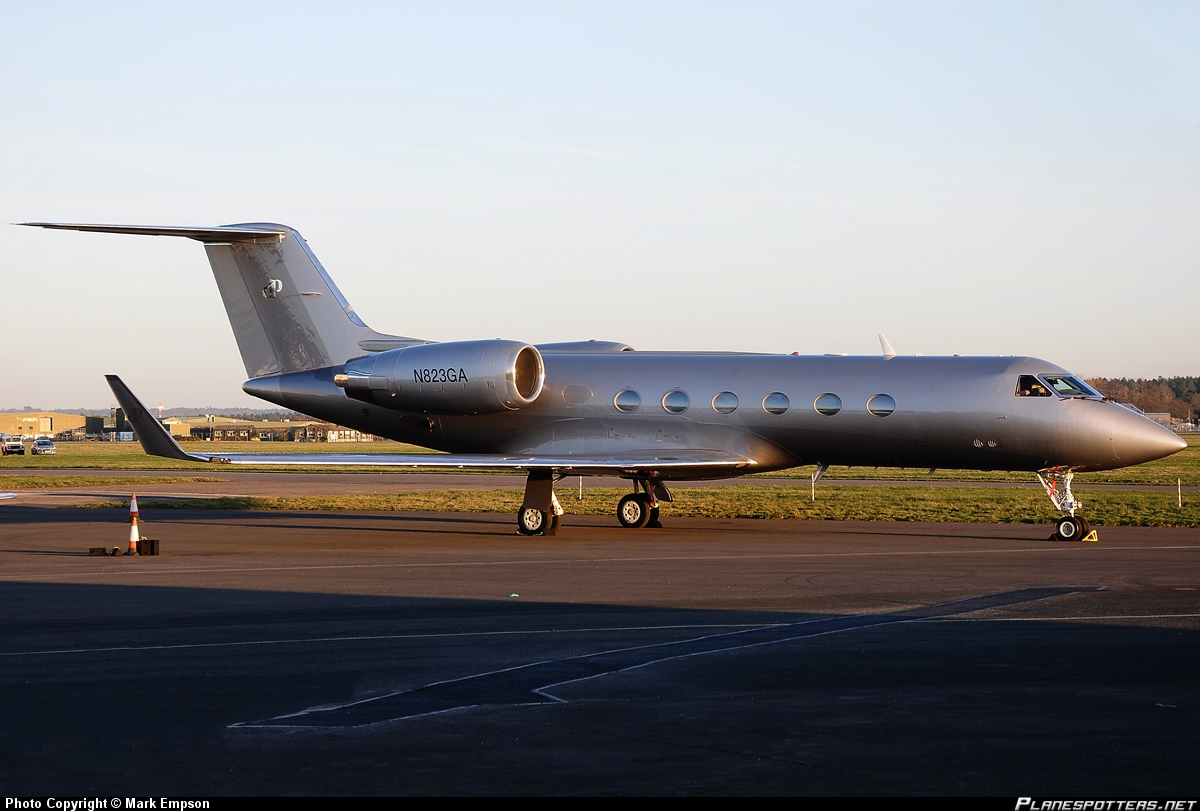
Improper crew response to an off-center nosegear orientation was the primary factor in the July 2012 fatal runway excursion of a Gulfstream IV at Le Castellet Airport on the French Riviera, according to a final report released yesterday by the French Bureau of Enquiry and Analysis for Civil Aviation Safety (BEA).
Investigators blame the accident, in part, on lack of training, saying the pilots countered with “strong nose-down input” when the aircraft’s nose pitched up after initial touchdown. Sensors subsequently recorded “unusually heavy loading” on the nosegear assembly and a left nosewheel orientation exceeding the 7-degree maximum steering available through the rudder pedals. The aircraft departed the left side of the runway and caught fire after hitting PAPI lights, a high-strength metal boundary fence and trees. The two pilots and the flight attendant died in the accident.
The BEA recommended improved training procedures on how to recover from uncommanded nosewheel steering on the GIV. Following a 2004 incident in Eagle, Colo., Gulfstream issued guidance to GIV operators about how to address sudden control issues with the nosewheel steering system. Several aviation entities, including the operator involved in the Le Castellet accident, told investigators they were not aware of that letter.
The BEA report also said the pilots did not properly use and follow the pre-landing checklist, noting that they failed to arm the ground spoiler system while on approach to Le Castellet, which compromised braking action at touchdown.


Bristow Group Inc., in partnership with Electra, Avinor and the Norwegian Civil Aviation Authority (CAA Norway), will undertake a series of demonstration flights across five locations in Norway using...
A Discover Airlines Airbus A330 has become the first Airbus aircraft worldwide to enter regular commercial service after undergoing a full-scale AeroSHARK retrofit, marking a signi...
Embraer has delivered the first E175 fitted with next-generation RECARO passenger seats to American Airlines, marking another step in the ongoing modernization of one of the world's most successfu...
Archer Aviation all-electric Midnight air taxi successfully completed several days of piloted flights across the San Francisco Bay Area as part of the company’s “No Roads” flight tou...

