



Major US Airport Looks Ahead To Cleaner, Greener Future
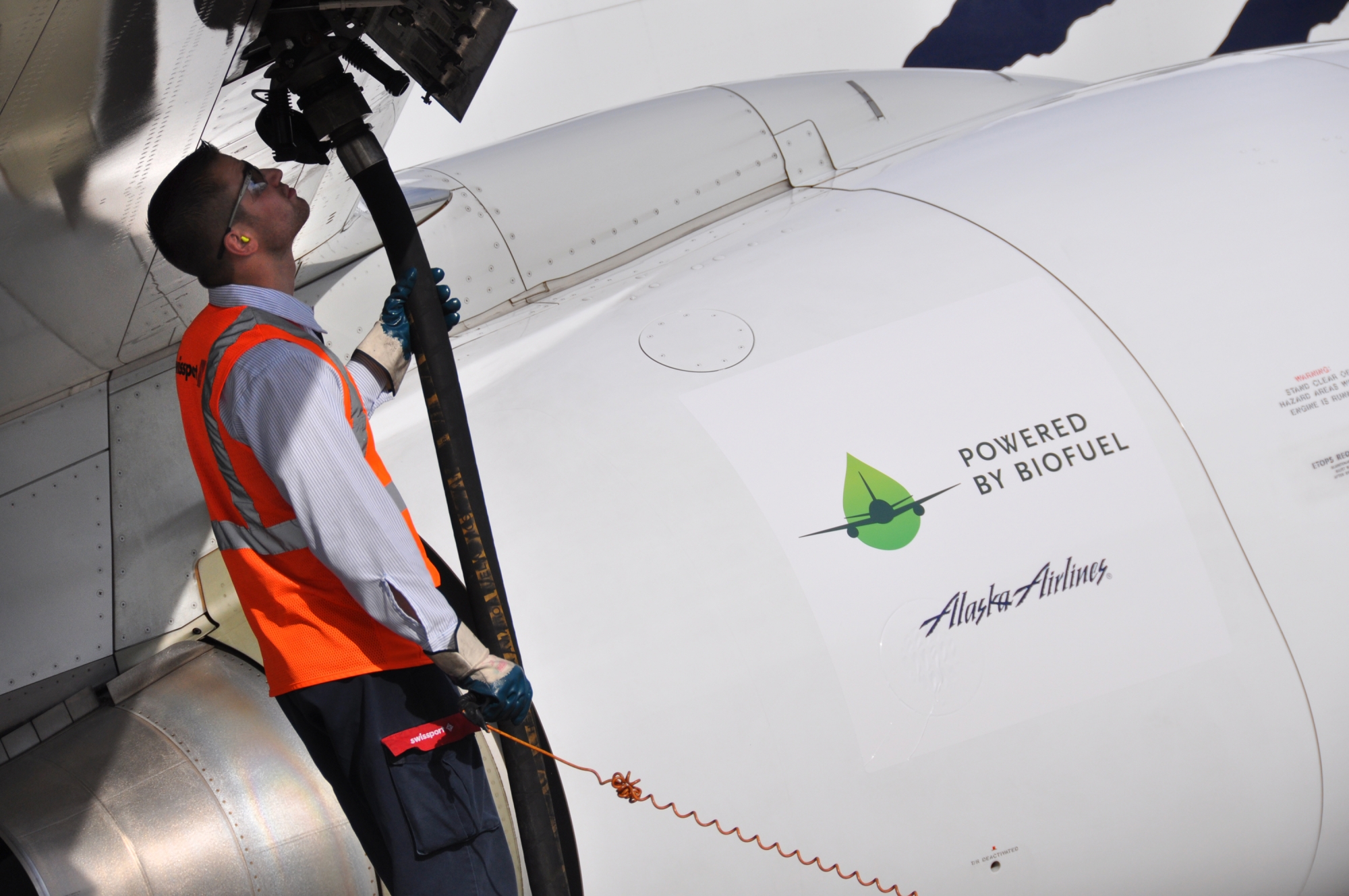
A major biofuels trial will take place at Seattle-Tacoma International next year, potentially paving the way towards an all-biofuels-based future for the airport.
One of the United States’ most active airports may in future become a biofuels-only facility, with feasibility trials set to soon start there.
A three-way MOU (Memorandum of Understanding) involving the Port of Seattle – owner of Seattle-Tacoma International, the US’ 12th busiest airport handling some 380,000 aircraft movements every year - plus Boeing and Alaska Airlines was signed in mid-December.
As a result, tests featuring both biofuel and standard jet fuel should get underway in coming months but, ultimately, biofuel might become the norm at ‘Sea-Tac’. No other US airport, to date, has unveiled such bold long-term alternative fuel-based plans.
Airport Biofuel Trial
The three organisations’ Biofuel Infrastructure Feasibility Study is a $250,000 programme that will explore future Sea-Tac biofuels use on two fronts: expense and necessary infrastructure. The study should be finished by late next year.
Biofuel has been approved for commercial air travel applications for the past four years. Since 2011, some 2,000 passenger-carrying biofuel flights have been carried out, drawing on products that - according to the US Department of Energy – can drive down airliners’ lifecycle CO2 (carbon dioxide) emissions to just 20 per cent of those associated with traditional fuel.
Sea-Tac Biofuel
The Port of Seattle, Boeing and Alaska Airlines each have particular goals associated with their participation in this biofuel trials partnership.
“Biofuel infrastructure will make Sea-Tac Airport an attractive option for any airline committing to use biofuel, and will assist in attracting biofuel producers to the region as part of a longer-term market development strategy”, commented John Creighton, Port of Seattle Commissioner. One such biofuel-committed airline is Alaska Airlines, which is looking to have a dedicated biofuels hub operational by 2020. Sea-Tac is its number one choice.
Boeing, too, is looking ahead, its Strategy vice president, Sheila Remes, describing biofuel’s long-term aviation CO2 emissions decrease role as “critical.” The aerospace/defence giant, she added, “is proud to work with…Alaska Airlines and the Port of Seattle to power every plane at Sea-Tac with a biofuel blend and lead the way for other airports to do the same."
Following the successful public flight demonstrations at Expo 2025 Osaka, SkyDrive announced plans to undertake a feasibility study exploring the conversion of Osaka City’s existi...
A new travel industry coalition is urging EU policymakers to adopt a balanced and proportionate approach to biometric travel, ensuring passengers can benefit from secure and seamless journeys while ma...
British Airways has unveiled the next phase of its Heathrow lounge transformation programme, marking the beginning of a significant investment aimed at modernising every lounge across the airport in t...
UH-60 Black Hawk helicopters operated by Helicopter Alliance played a vital role in combating wildfires across Central and Southern Europe during the aerial firefighting season that has now concluded....

