



Infrastructure investors are hot on the trail of airport assets and are willing to pay a premium, even for secondary and regional airports.
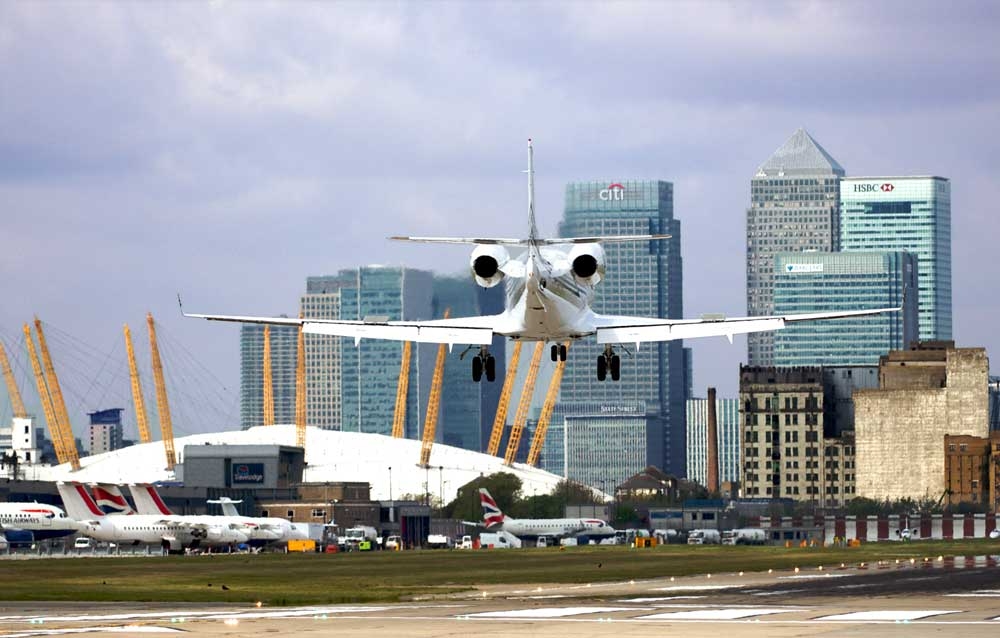
Emblematic of this quest is the deal reached by a consortium that included Ontario Teachers’ Pension Plan and Borealis Infrastructure to acquire London City Airport, located just east of the city’s Canary Wharf district and favored by business travelers.
The investors are paying more than 2 billion pounds for London City, according to The Wall Street Journal, citing people familiar with the deal. The steep price tag, which likely derives in part from the more recession-resistant nature of business travel, translates to just under 30 times the airport’s earnings before interest, taxes, depreciation and amortization last year, taking into consideration adjustments, according to an investor, who declined to be named.
To put the sale in perspective, the price paid for London City Airport dwarfed the GBP1.5 billion IFM Investors-backed Manchester Airports Group paid for Stansted Airport outside of London in 2014. Stansted handled 22.56 million passengers last year, while London City took in 4.32 million.
Apart from Ontario Teachers’ and Borealis, a direct infrastructure investor backed by Canadian pension fund Ontario Municipal Employees Retirement System, London City’s winning consortium also includes Canadian fund Alberta Investment Management Corp. and Wren House Infrastructure Ltd., a unit of the Kuwait Investment Authority.
London City Airport is owned by U.S. private equity funds Global Infrastructure Partners and Oaktree Capital Management.
Infrastructure investors have been keen suitors of airport stakes, which are considered specialty or niche assets and often can command a higher return than regulated utilities like water and electricity. But the hefty price paid in this latest deal demonstrates investors’ confidence in the potential of airports not considered primary national hubs such as London Heathrow or Paris Charles de Gaulle.
“In countries where the hub airports are full, the big beneficiaries are primary regional airports,” said John Bruen, a managing director at Macquarie Infrastructure & Real Assets. “Travelers are more sophisticated and more willing to organize their own travel. They would fly direct and that helps regional demand. People by and large will avoid the transfer if they can now avoid that, and airlines are quicker in accommodating that.”
Next on the block are France’s Nice Cote d’Azur and Lyon-Saint-Exupery airports, whose privatization process will begin later this year.
French firm Ardian recently announced its plans to bid for a stake in the Nice and Lyon airports. Mathias Burghardt, who heads Ardian’s infrastructure investing team, said privatization will be a catalyst to change the status quo in the French airline industry, which channels most air traffic, particularly flights originating from the U.S. and Asia, to Paris, and not to regional airports.
Emirates has officially inaugurated services to Helsinki, marking a significant milestone in connectivity between Finland and the United Arab Emirates. The new daily route is the only year-r...
British Airways has unveiled the next phase of its Heathrow lounge transformation programme, marking the beginning of a significant investment aimed at modernising every lounge across the airport in t...
TRU Simulation + Training Inc. will showcase its Veris Virtual Reality Flight Training Device (FTD) for the Cessna Skyhawk at NBAA-BACE 2026, marking the simulator's first appearance at the indust...
Tecnam introduces the P2008JC NG to the United States market, bringing flight schools a certified, next-generation training aircraft designed to dramatically reduce operating costs while maximizing fl...

