



We guarantee you’ve never taken an exam this tough. Or long. Or involving quite so many dead chickens. (Seriously.)
Before passengers set foot on a new jet, each plane must ace tens of thousands of safety tests, enduring everything from simulated lightning bolts and hailstorms to bird strikes and mid-air stalling. “Let’s just say that if there’s a new coffee maker on a plane, we’ve tested it,” says Frank Rasor, Director of Boeing’s Northwest Flight Test Operations.
Jet engines are put through the ringer first bymanufacturers such as GE, where, in addition to computerized tests, they swallow golf-ball-sized chunks of ice, 800 gallons of gushing water a minute, and yep, dead chickens, to check the resiliency of running engine blades. (The threat of bumping into a flock of geese is still a major headache for manufacturers, because it can be not only dangerous—paging Captain Sully!—but also expensive to repair.)
At jetliner giants like Boeing, pieces of the plane are brought to a lightning lab where they’re zapped with high voltage currents to check the effects of lightning strikes. Wings, meanwhile, are put under tension in “static tests” to determine their breaking point. (Historically this was done until they snapped, but digital systems can test a 787’s wing now without breaking it in half.) Fatigue tests, which measure how a plane will respond to stress over time, are run by hooking a plane up with electronic sensors and then pulling and twisting the body with various loads of pressure. The plane can be ‘aged’ a decade in just a few weeks, and the engineers step in to address any problems that pop up.
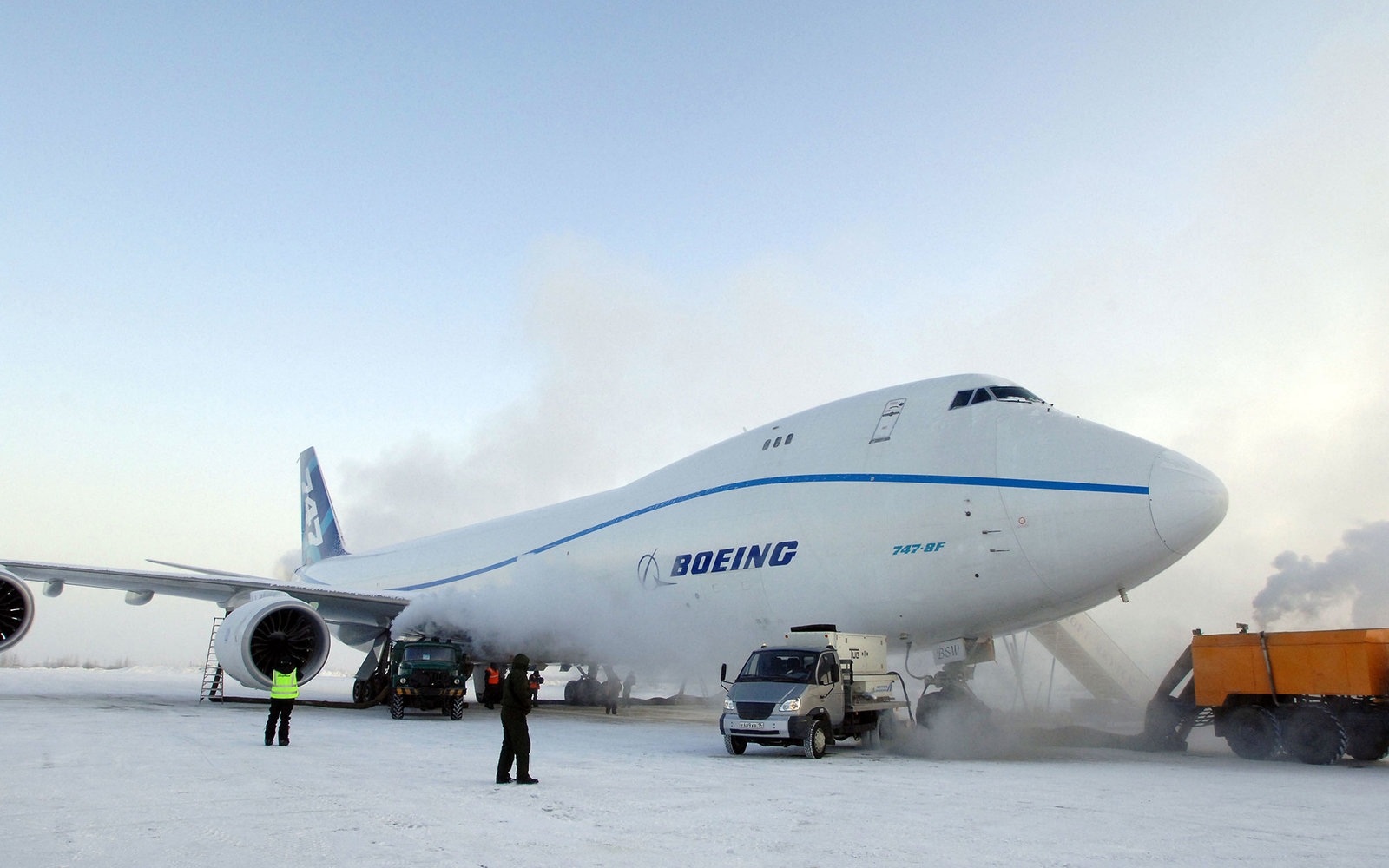
And that’s just a fraction of what’s done on the ground. “Our simulation tests have gotten so much better over time, but we still fly the planes to verify that modeling is accurate,” says Rasor. Testing teams fly to destinations like Russia, Alaska, and Iceland in search of extreme crosswinds, altitudes, and ice accumulation, sometimes trucking new planes through temps as low as -50 degrees Fahrenheit. All in all, it’s a multi-year process and unparalleled system of vetting—one even the car you drive daily doesn't get. So the next time you see a wing wobble or hear a loud noise in flight and wonder if that's supposed to happen, the answer is almost unequivocally yes.
A new travel industry coalition is urging EU policymakers to adopt a balanced and proportionate approach to biometric travel, ensuring passengers can benefit from secure and seamless journeys while ma...
UH-60 Black Hawk helicopters operated by Helicopter Alliance played a vital role in combating wildfires across Central and Southern Europe during the aerial firefighting season that has now concluded....
Skandia’s King Air 200/300 soundproofing kit has received final approval from Brazil’s ANAC, opening the door for wider adoption among operators across the country. The certifica...
At AERO 2027, taking place from 14 to 17 April 2027, gliding will once again take centre stage with the dedicated AERO Gliding Expo exhibition area. As part of Europe’s leading trade show for ai...

