



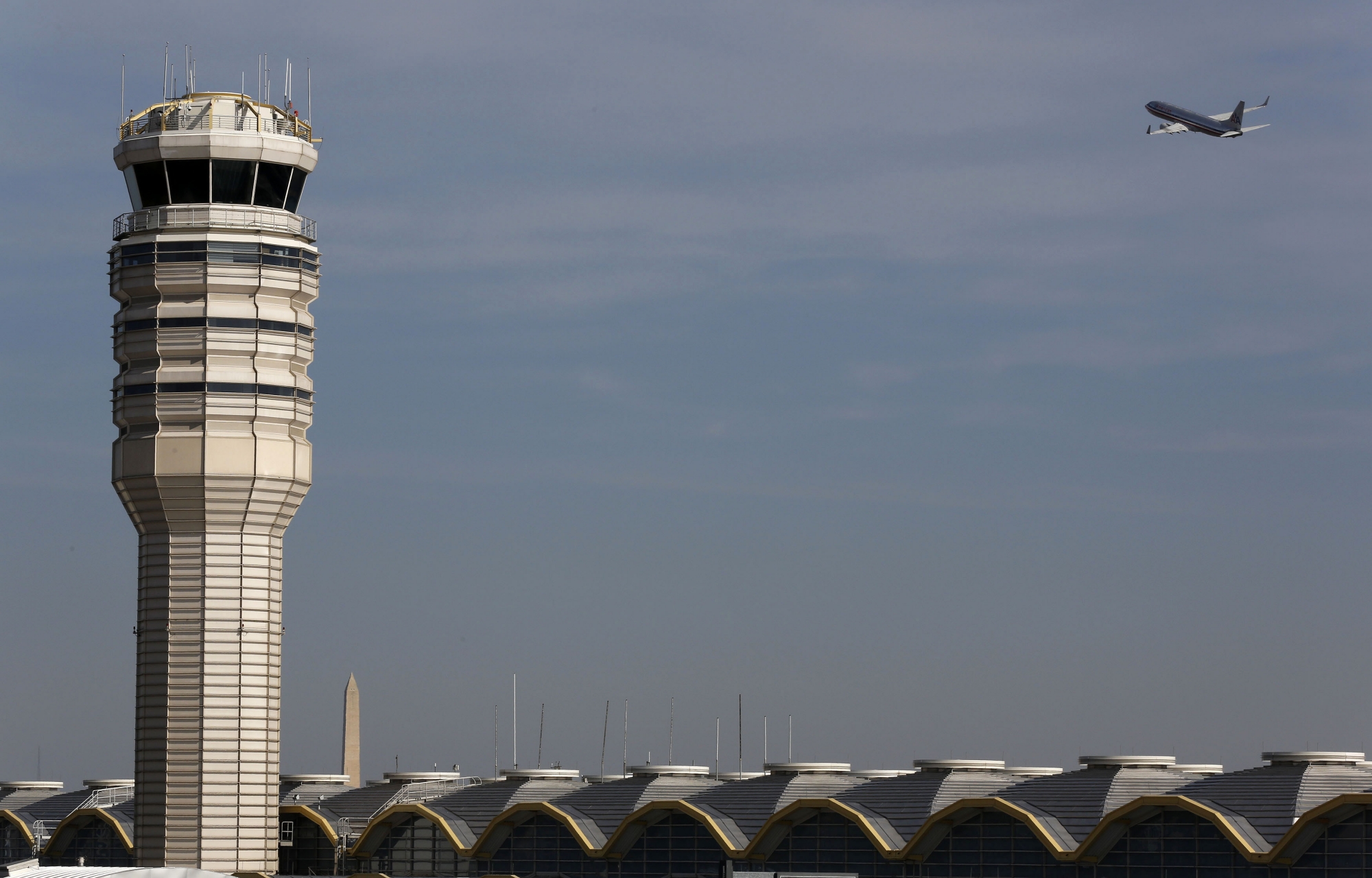
Air transport operations resulted in a global fatal accident rate of just one in 5 million flights last year, the lowest figure on record.
Statistics compiled by Flightglobal’s Ascend consultancy arm reveal that the fatal accident rate halved, compared with the previous year, despite the loss of two Airbus jets apparently to deliberate acts.
The data in its annual Airline Safety & Losses review estimates the revenue passenger fatality rate for 2015 at around one per 40 million, some four times better than the previous year.
Discounting the Germanwings and MetroJet Airbus events, the highest individual fatality count was 54 resulting from the crash of a Trigana Air ATR 42 in Papua during August. The second-highest, 43 casualties, also resulted from a turboprop accident when a TransAsia Airways ATR 72 came down after take-off from Taipei in February.
Ascend’s annual review recorded eight fatal accidents last year, all involving turboprops from relatively small carriers, with only three accidents involving revenue passenger flights – the lowest total since 1946.
If the improvement on air safety since 2010 is maintained for the rest of the current decade, it will equate to some 4,400 fewer passenger and crew fatalities than during 2000-09.
For the first time last year, not a single passenger fatality was recorded on a Western-built jet, excluding those from suspected acts of violence.
This was achieved against the background of the global Western jet fleet’s transporting 3.7 billion travellers and conducting 32 million flights.
The Ascend review also notes that Eastern-built jets suffered no fatal accidents during 2015, although it points out that the fleet has diminished greatly in comparison to Western-built types.
“With so little exposure it is not surprising that the fleet has been loss-free,” it adds.
Western-build turboprops suffered fewer fatal accidents than in 2014 but an increase in fatalities to 117.
Although overall air transport safety levels showed strong improvement, Ascend states that insurers “did not have a good year”, with incurred all-risk losses of around $1.7 billion exceeding written premiums for the third year running.
But it adds that, despite the situation, there is “little or no sign of the market hardening” and that current premium levels “might be considered the new normal”.
Dassault will introduce the fourth-generation EASy IV flight deck on newly built Falcon 2000LXS aircraft, while also making the upgrade available as a retrofit across the entire Falcon 2000 EASy fleet...
Piaggio Aerospace will return to NBAA-BACE this October, bringing its flagship P.180 Avanti EVO to one of the most important gatherings of the global business aviation community while also highlightin...
Viasat has significantly expanded the capacity of its JetXP in-flight connectivity service across the United States, delivering up to five times more bandwidth for business aviation customers equipped...
Samson Sky has enlisted renowned Italian automotive designer Luigi Memola to develop the interior design of its Switchblade Flying Car, bringing world-class automotive styling expertise to the roadabl...

