




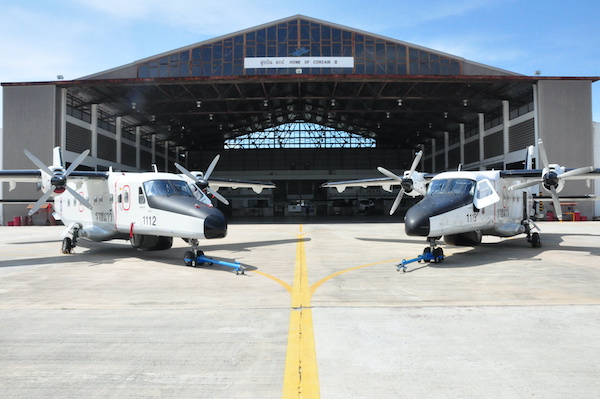
RUAG MRO International is comprehensively modernizing Dornier 228 aircraft for the Royal Thai Navy. The upgrade includes the installation of glass cockpits and new mission equipment as well as the modernization of avionics systems. The Thai Navy uses its Dornier 228 to monitor the exclusive economic zone called the “200-mile zone”. The aircraft and their crews conduct ISR (intelligence, surveillance and reconnaissance) missions in the territorial waters of the Gulf of Thailand for the purpose of border surveillance to combat illegal trade and fishing.
Initially, RUAG will now be modernizing two of the seven aircraft in the Royal Thai Navy Dornier 228 fleet. This also includes transporting the aircraft to and from Thailand and providing training in the use of the new equipment. For the upgrade, the aircraft were disassembled on site in Thailand. Subsequently, an Antonov AN-124 transport aircraft flew the Dornier 228 to Oberpfaffenhofen, where the experts from RUAG MRO International carry out a comprehensive inspection. In the process, they remove the paint completely and eliminate any corrosion damage to the aircraft structure, which is now 25 years old.
The aircraft will be equipped with glass cockpits and modern avionics systems (COM, NAV). The interior, cockpit and aircraft cabin will also be revamped. It will receive modern mission equipment that will enable tasks to be performed more effectively and efficiently. These include a 360° search radar, infrared cameras as well as a mission management and data link for data transmission to ground stations and/or ships.
Due to the aircraft modernization, pilots, crew members and technicians will need to be trained in the use of the new equipment. RUAG MRO International will therefore also organize training for crew members and technicians, partly in Germany and partly on site in Thailand. In addition, RUAG’s factory pilot team will be responsible for ferrying the modernized aircraft to Thailand.
The Royal Thai Navy is dependent on the greatest possible availability of its aircraft to be able to continuously perform its sovereign tasks. “We are therefore doing everything we can to keep aircraft downtime as short as possible. Especially under the current conditions brought about by the coronavirus pandemic, this is a challenge,” explains Thomas Imke, Sales Manager. Even sending a five-man team to Thailand for dismantling the aircraft involved considerable effort, given reduced flight connections and quarantine regulations. “These are challenges that we are happy to take on because the satisfaction of our customers is our top priority,” concludes Thomas Imke.
Embraer has delivered the first E175 fitted with next-generation RECARO passenger seats to American Airlines, marking another step in the ongoing modernization of one of the world's most successfu...
Bristow Group Inc., in partnership with Electra, Avinor and the Norwegian Civil Aviation Authority (CAA Norway), will undertake a series of demonstration flights across five locations in Norway using...
Archer Aviation all-electric Midnight air taxi successfully completed several days of piloted flights across the San Francisco Bay Area as part of the company’s “No Roads” flight tou...
Gogo has unveiled its long-term vision for the Galileo connectivity platform at NBAA-BACE 2026, outlining a roadmap designed to enhance and protect customer investments well into the mid-2030s and bey...

