



First 3D-printed part visible to passengers will be flying soon with Finnair
When an airline updates its aircraft cabin layout, gaps are often created between the existing and new components. Such gaps need to be bridged before the aircraft can take on passengers, and time always is of the essence in returning a jetliner to revenue-generating service.
The traditional method of manufacturing a new plastic part involves creating custom-made injection moulding tooling – a process that is relatively complex, especially given the specialised nature of many components and the limited number needed for a typical cabin retrofit. By using 3D printing technology, Airbus has enabled small-batch manufacturing that is not only quicker than conventional moulding techniques but less expensive, too.
Where traditional production methods struggle, 3D printing shines
Not only are 3D-printed parts as strong as those made with traditional moulding methods, they can be made lighter in weight; an important consideration for jetliner interiors, where every kilogram counts. While 3D-printed parts have been integrated into Airbus aircraft in the past, the results were not deemed aesthetically pleasing enough to be used where they could be seen by passengers – until now.
Through a partnership with the Belgium-based Materialise company, Airbus now has the first 3D-printed parts seamlessly integrated into the cabins of its jetliners. These parts – spacer panels that fill end-gaps in a row of overhead storage compartments – have passed Airbus’ stringent cabin trim and quality standards and will soon be visible to passengers aboard Finnair’s A320 aircraft, whose cabin layout has been updated.
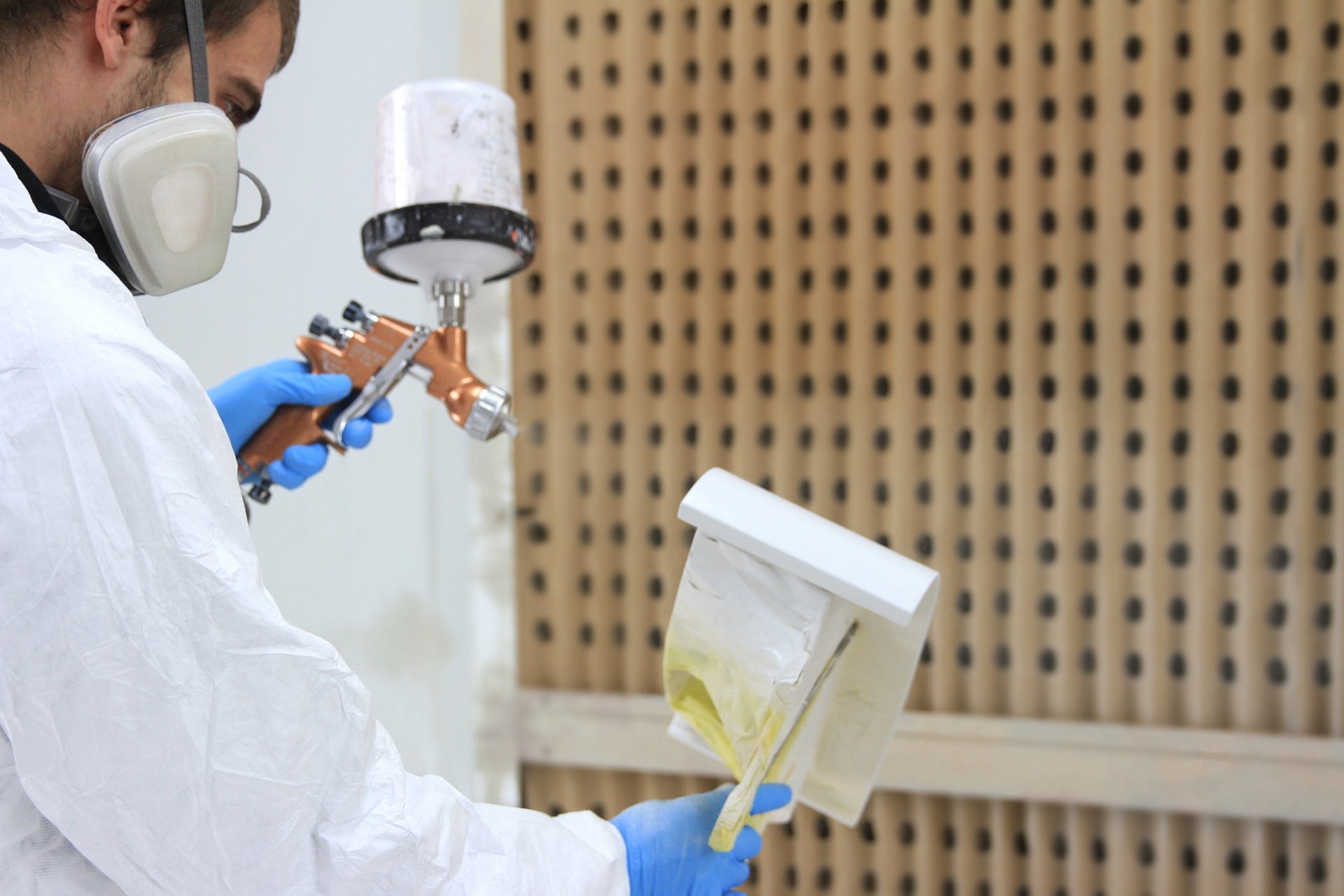
By using 3D printing, Airbus was able to create bio-inspired panels 15 percent lighter than if made using conventional production methods. This technology also enables the creation of complex internal support structures, such as lattices inside the panels, without imposing additional manufacturing costs.
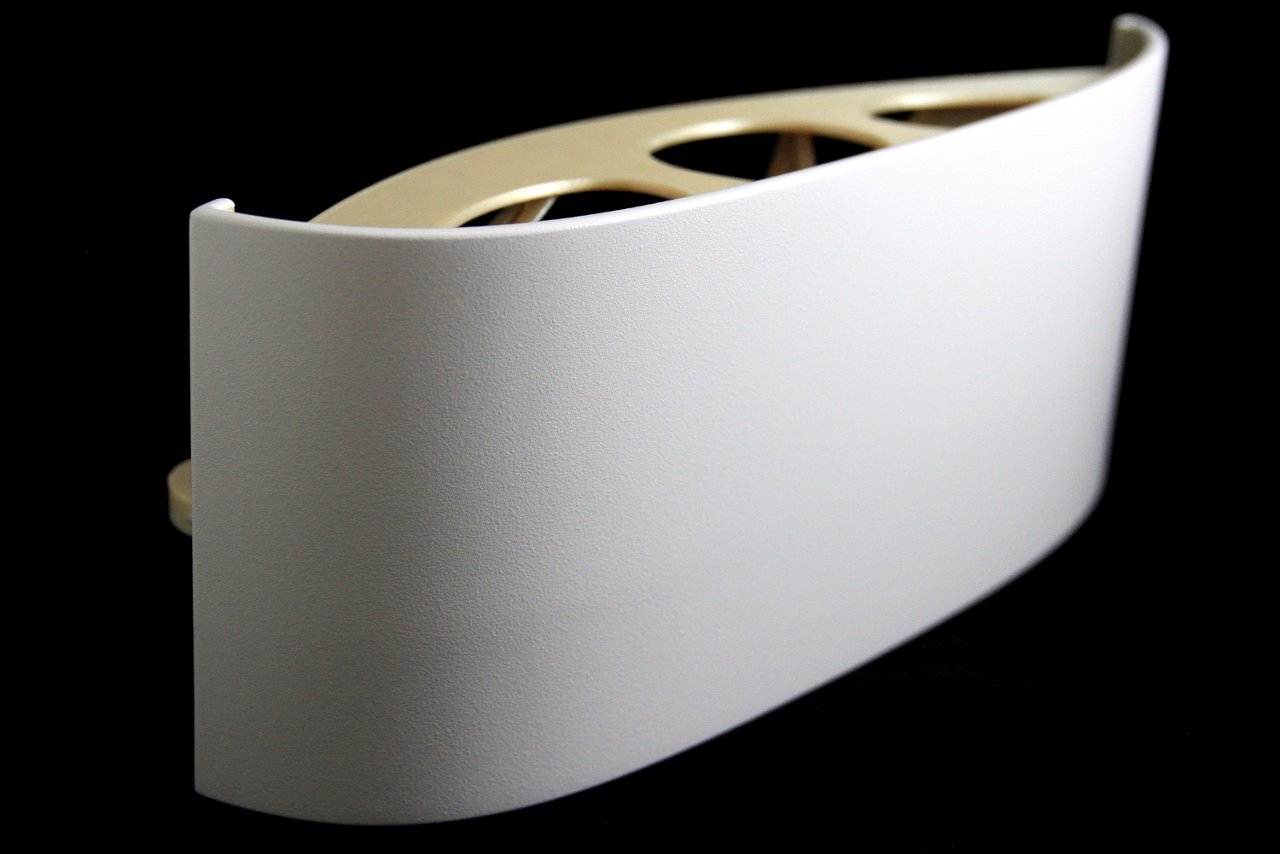
While 3D-printed parts have been integrated into Airbus aircraft in the past, the results had not been used in public view until spacer panels meant to fill an end-gap in a row of overhead storage compartments aboard an Airbus A320 aircraft flown by Finnair
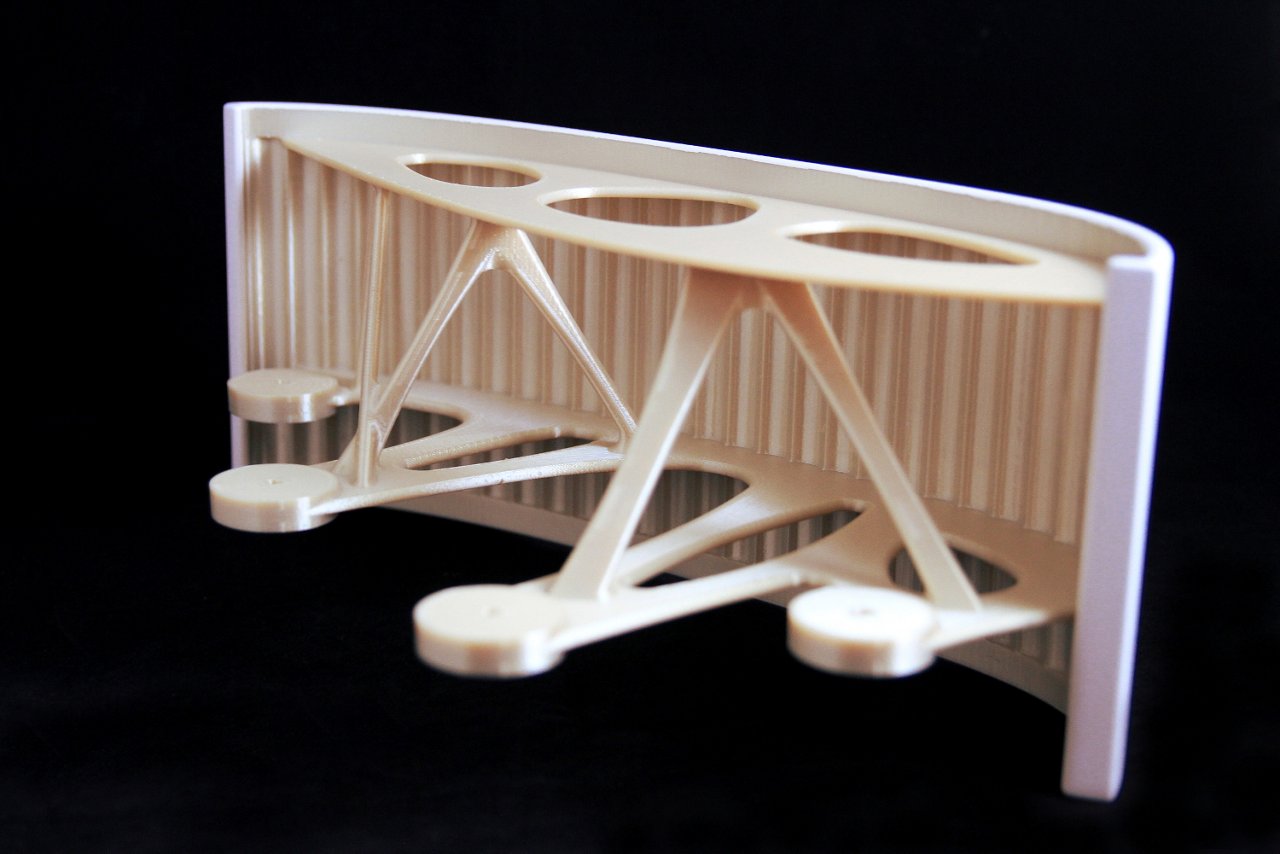
By 3D-printing spacer panels for use aboard Finnair’s A320 aircraft, Airbus created bio-inspired panels 15 percent lighter than if made using conventional production methods
Viasat has significantly expanded the capacity of its JetXP in-flight connectivity service across the United States, delivering up to five times more bandwidth for business aviation customers equipped...
AMAC Aerospace Group continues to experience strong business momentum, marked by new certifications, contract wins and rising demand across its maintenance, completion and aircraft modification activi...
Textron Aviation has marked a key milestone in the development of the Cessna Citation CJ4 Gen3 with the rollout of the program’s first production aircraft. The achievement brings the next-g...
Gogo has unveiled its long-term vision for the Galileo connectivity platform at NBAA-BACE 2026, outlining a roadmap designed to enhance and protect customer investments well into the mid-2030s and bey...

