



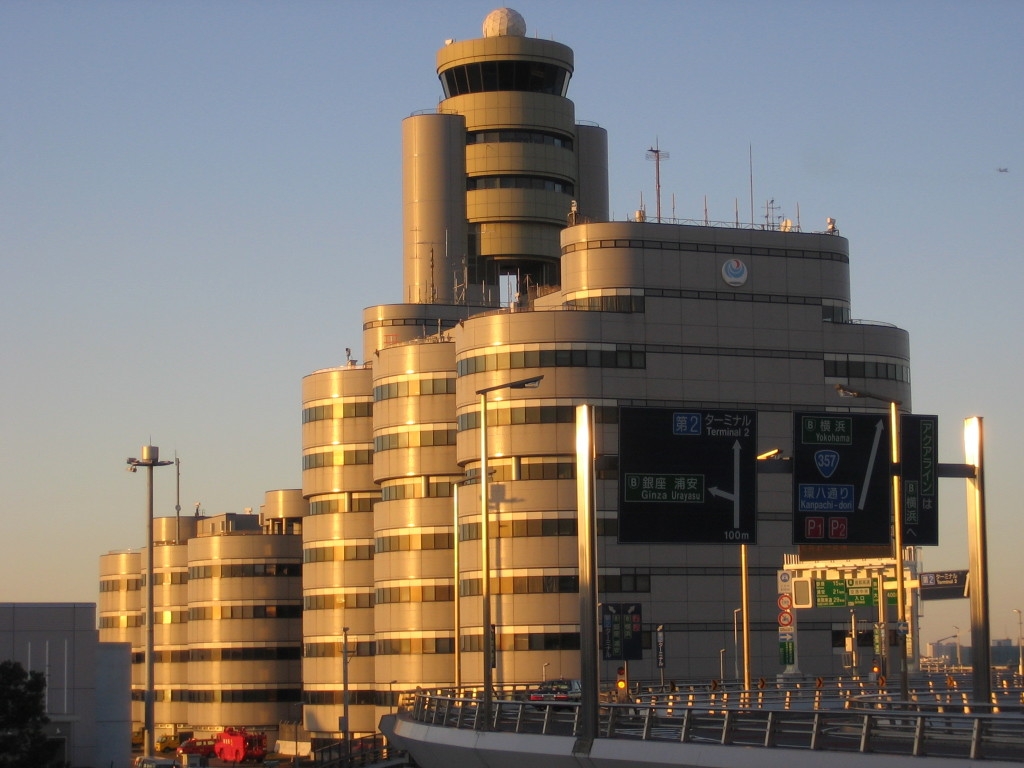
Japan's Civil Aviation Bureau (CAB; Booth C12349) is taking steps to make all of the country's airports more welcoming to business aviation. "We have to admit it was not so user friendly," said Hayato Yamaguchi, a CAB deputy director. "Many business jet users complained that Japan was closed, an inaccessible country for them."
That began changing in 2010 when the government made business aviation part of a national growth strategy, he said, and the shift is accelerating in anticipation of the 2020 Tokyo Olympic and Paralympic Games. Infrastructure improvements at Haneda, Narita, Nagoya and other airports include increasing parking space for business aircraft, adding taxiways to shorten taxi time, creating dedicated custom facilities, and building (at Nagoya) Japan's first business aviation terminal.
The results have been slow but steady, with business aviation movements in Japan rising 2.2 percent annually from 2010 through 2014, and international business aviation movements increasing by an annual rate of 3.3 percent during the period, Yamaguchi said. But business aviation movements increased 14 percent in the first half of this year, he noted, a hopeful sign of robust growth ahead.
For those looking to avoid the general congestion of the Tokyo area, representatives from Nagoya Airport in Japan's Aichi Prefecture are here at NBAA 2015 (Booth C12347) to discuss its convenient location within the country, and its suitability for Japan-bound business aviation travelers. Nagoya is one of the few airports in Japan to be considered business aviation-specific, as the larger Chubu Centrair International Airport was built nearby to handle the majority of the area's airline traffic.
Centrally located Nagoya is easily connected to Tokyo, Osaka and Kyoto by high-speed train. Indeed, Nagoya will be the first city linked to Tokyo by an under-construction next-generation maglev train, which will be nearly twice as fast as the current "bullet trains."
The airport, which is open from 7:00 a.m. until 10:00 p.m., offers a dedicated customs, immigration and quarantine facility, staffed on demand for international business arrivals, and ground handling is supplied by two FBOs: Nakanihon Air Service and Aero Asahi. The business aviation terminal is centrally located, less than 300 feet from the ramp, and aircraft can taxi directly to their own parking spaces under their own power. The airport is also suited as a fueling stop for long-range business jets from the U.S. East Coast heading for mainland China.
Archived
10 years ago

The U.S. Federal Aviation Administration has certified the Boeing 737-10, the newest and largest member of the 737 MAX family, paving the way for Boeing [NYSE: BA] to begin customer deliveri...
Gogo has unveiled its long-term vision for the Galileo connectivity platform at NBAA-BACE 2026, outlining a roadmap designed to enhance and protect customer investments well into the mid-2030s and bey...
Viasat has significantly expanded the capacity of its JetXP in-flight connectivity service across the United States, delivering up to five times more bandwidth for business aviation customers equipped...
Textron Aviation has marked a key milestone in the development of the Cessna Citation CJ4 Gen3 with the rollout of the program’s first production aircraft. The achievement brings the next-g...


